
 By Yasir Hafeez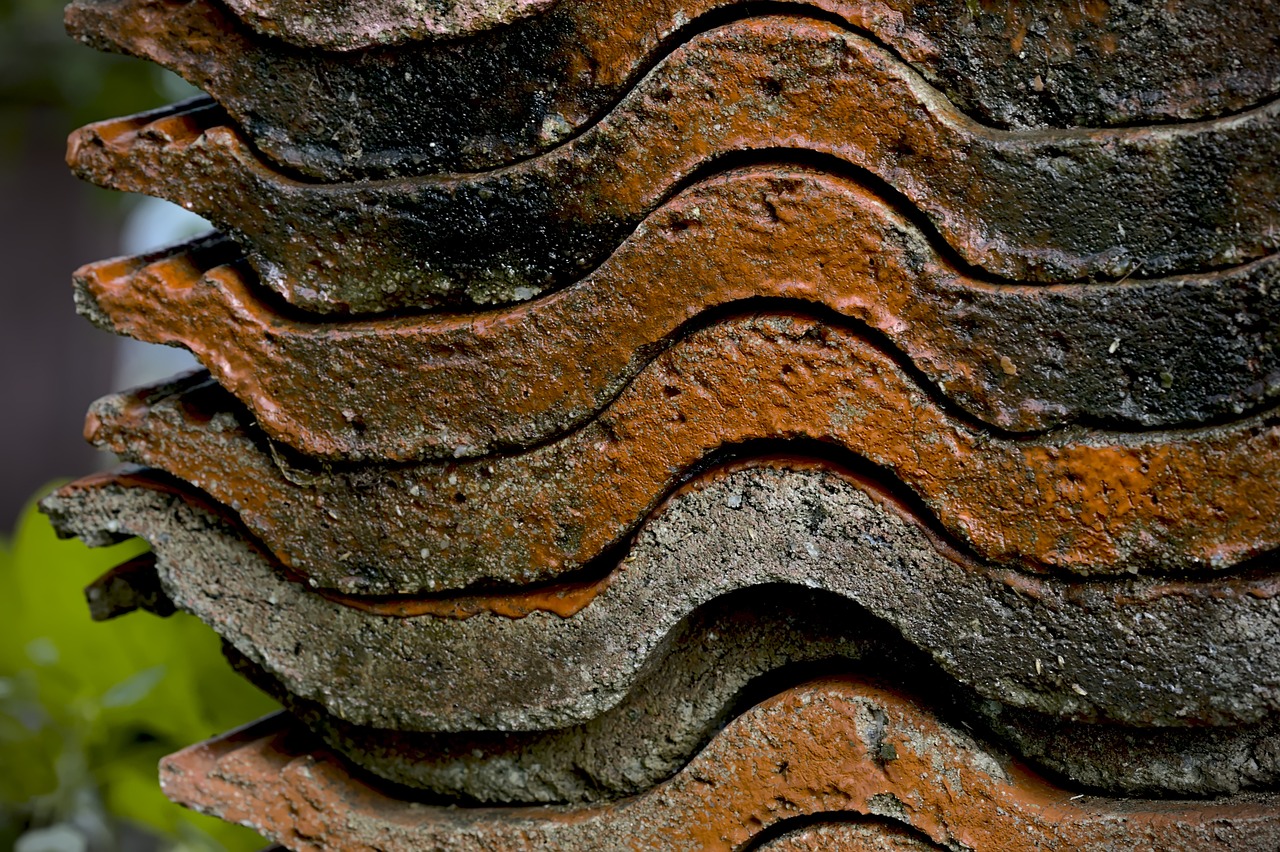
Sarah had always dreamed of a kitchen that felt like a sun-drenched villa, a space where warmth radiated from every surface. She loved the idea of terracotta tiles, envisioning their rustic charm underfoot. Yet, when she started researching, the sheer variety — ‘Spanish,’ ‘Mexican Saltillo,’ ‘glazed,’ ‘unglazed’ — left her overwhelmed. She wondered if this ancient material, literally ‘baked earth,’ was truly practical for her bustling 2026 home, or just a beautiful but delicate relic. The first thing worth saying about terracotta is its incredible versatility and enduring appeal, a testament to its simple yet profound origins.
Last updated: July 9, 2026
Key Takeaways
- Terracotta, meaning ‘baked earth,’ is a low-fired, porous ceramic clay offering rustic beauty and thermal mass.
- It comes in glazed and unglazed forms, with unglazed requiring sealing for durability and stain resistance.
- Regional variations like Spanish, Mexican Saltillo, and Italian terracotta offer distinct aesthetics and properties.
- Proper installation, including a strong substrate and diligent sealing, is crucial for terracotta’s longevity.
- Despite its traditional roots, terracotta remains a versatile and sustainable choice for modern architectural and design projects in 2026.
Terracotta, or terra cotta, is a clay-based unglazed or glazed ceramic material that has been used by civilizations for millennia. Its name, derived from Italian, literally means ‘baked earth,’ a straightforward description of its production. Fired at relatively low temperatures, typically between 900°C and 1000°C (1650-1830°F), terracotta retains its natural earthy hues, ranging from warm reds and oranges to browns and even pinks, depending on the clay’s mineral content and firing conditions. As of July 2026, its appeal has resurged, blending seamlessly with both traditional and contemporary design aesthetics.
The Enduring Allure of Terracotta in 2026
Terracotta’s charm lies in its organic texture and vibrant color palette, which inject warmth and character into any space. It’s a material that tells a story, connecting modern living to ancient craftsmanship. Beyond its aesthetic qualities, terracotta possesses excellent thermal mass properties, meaning it can absorb and retain heat, contributing to energy efficiency in both hot and cold climates. This makes it a sustainable choice, aligning with growing ecological awareness in design, a trend strongly observed in 2026.
Historically, terracotta has been integral to art, architecture, and utilitarian objects. From the Terracotta Army of ancient China to the iconic roof tiles of the Mediterranean, its durability and malleability have made it a favored medium. Today, this tradition continues, evolving to meet modern demands while preserving its inherent beauty. Worth noting, the perception of terracotta as solely rustic is fading, with designers increasingly integrating it into minimalist and industrial contexts.
Decoding Terracotta: Glazed vs. Unglazed
The distinction between glazed and unglazed terracotta is fundamental to understanding its application and maintenance. Each offers a different aesthetic and functional profile, impacting everything from water resistance to durability.
Unglazed terracotta is the most traditional form, characterized by its porous, matte finish. This raw, natural surface is highly absorbent, making it susceptible to stains and moisture penetration if not properly sealed. Its porosity, however, also contributes to its breathability, which can be beneficial in certain architectural applications. According to industry specifications, unglazed terracotta tiles can have a water absorption rate of up to 3%, making sealing an absolute necessity for indoor flooring or outdoor applications in freeze-thaw climates.
Glazed terracotta, by contrast, features a vitreous coating applied to its surface before or after the initial firing, followed by a second firing at higher temperatures. This glaze creates a non-porous, often glossy, and significantly more durable surface. It’s resistant to stains, water, and often abrasion, making it suitable for high-traffic areas and wet environments like bathrooms. The glaze also allows for a wider range of colors and finishes, moving beyond terracotta’s natural earthy palette. Glazed options typically have a water absorption rate below 0.5%, greatly enhancing their performance.
Terracotta Tiles: Varieties and Regional Charms
The global appeal of terracotta has led to distinct regional styles, each with unique characteristics shaped by local clays, firing techniques, and cultural aesthetics. Understanding these differences is key when selecting the right tile for your project.
Spanish terracotta tiles often feature a classic square or rectangular shape, with a relatively consistent thickness and a smooth, refined surface. They are known for their warm, reddish-brown hues and are frequently used in traditional Mediterranean and Hacienda-style homes. Italian terracotta, particularly from regions like Tuscany, is celebrated for its rich, deep reds and rustic, handmade feel. These tiles often have slightly irregular edges and surfaces, adding to their authentic charm, and come in various shapes including octagons and hexagons.
Mexican Saltillo tile, a distinct type of unglazed terracotta, is handcrafted in Saltillo, Coahuila, Mexico. These tiles are recognizable by their characteristic deep orange to reddish tones, natural imperfections, and often irregular shapes and sizes, including squares, rectangles, and elaborate star-and-cross patterns. They are exceptionally porous and require thorough sealing to prevent staining and damage. As of July 2026, the price for Saltillo tiles can range from $2.00 to $6.00 per square foot for the tile itself, with installation adding significantly to the cost.
| Type of Terracotta Tile | Key Characteristics | Ideal Uses | Typical Cost Range (per sq ft, July 2026) |
|---|---|---|---|
| Spanish Terracotta | Uniform thickness, smooth finish, warm reddish-browns | Mediterranean, Hacienda-style interiors, moderate traffic areas | $10 – $20 |
| Mexican Saltillo | Handmade, porous, irregular shapes/edges, natural variations (orange-reds) | Rustic interiors, courtyards, requiring diligent sealing | $3 – $13 |
| Italian Terracotta | Rustic, irregular, deep reds, often thicker and very durable | Traditional European aesthetics, outdoor patios, high-traffic areas | $15 – $30 |
| Glazed Terracotta | Non-porous, wide color/finish range, uniform | Kitchen backsplashes, bathrooms, high-traffic floors | $8 – $25 |
Beyond Flooring: Creative Uses for Terracotta
While terracotta flooring is iconic, the material’s versatility extends far beyond the ground beneath our feet. Its unique properties make it suitable for a myriad of applications, from functional pottery to intricate architectural details.
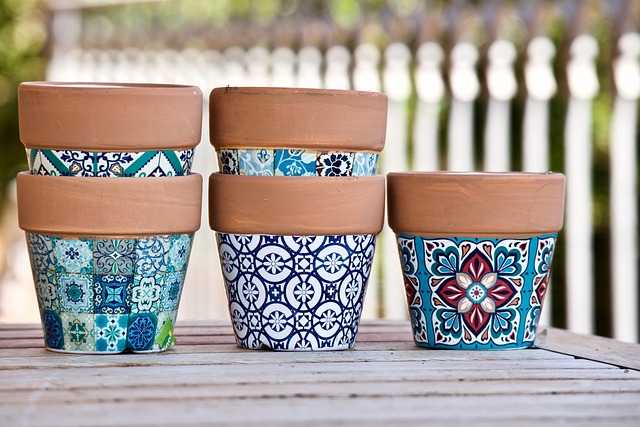
Terracotta pottery remains a staple for gardeners, valued for its breathability which helps prevent root rot by allowing soil to dry out evenly. In interior design, terracotta planters and decorative objects add a natural, grounding element. Architectural terracotta has seen a resurgence in restoration projects and new constructions, offering durable and aesthetically pleasing facades, decorative cornices, and roof tiles. Its ability to be molded into complex shapes makes it ideal for intricate ornamentation, contributing significantly to a building‘s character. In 2026, we’re seeing innovative uses in statement walls and custom fireplace surrounds.

Installation and Sealing: Crucial Steps for Longevity
The longevity and appearance of terracotta, especially unglazed varieties, heavily depend on correct installation and diligent sealing. Overlooking these steps can lead to premature wear, staining, and costly repairs.
- Substrate Preparation: Ensure the subfloor is clean, dry, level, and structurally sound. For unglazed tiles, a cement backer board is often recommended to prevent moisture issues.
- Acclimation: Allow tiles to acclimate to the installation environment for at least 48 hours to minimize expansion and contraction after laying.
- Setting the Tiles: Use a high-quality, flexible thin-set mortar specifically designed for terracotta. Due to potential variations in handmade tiles, back-buttering each tile can ensure full coverage and prevent voids.
- Grouting: Select a grout color that complements the terracotta. Apply grout carefully, ensuring all joints are filled. For unglazed tiles, a grout release may be beneficial to prevent grout from staining the porous surface.
- Initial Cleaning: After grouting, thoroughly clean the tile surface to remove any haze or residue.
- Sealing (Unglazed): This is the most critical step. Apply a high-quality penetrating sealer before and after grouting, and periodically thereafter. Penetrating sealers soak into the tile, protecting it from within without altering its natural finish. For high-traffic areas or outdoor use, a topical sealer may be applied for added surface protection, though this can alter the finish. For detailed guidance on tile installation.
Worth noting, the inherent fragility of terracotta tiles during handling requires skilled installers. Improper handling before installation can lead to easily broken or cracked tiles, increasing material waste and project costs.
Pros and Cons of Choosing Terracotta
Like any material, terracotta comes with its own set of advantages and disadvantages. A balanced understanding helps in making an informed decision for your home or project.
Advantages of Terracotta
- Natural Aesthetics: Offers a unique, warm, and rustic appeal that synthetic materials can’t replicate.
- Thermal Mass: Excellent at absorbing and slowly releasing heat, contributing to energy efficiency.
- Durability (when sealed): With proper care and sealing, it can last for decades, even centuries, as seen in historic buildings.
- Eco-Friendly: Made from natural clay, it’s a sustainable material with a lower embodied energy footprint compared to some manufactured tiles.
- Versatility: Suitable for various applications, from flooring and roofing to decorative accents and pottery.
Potential Drawbacks
- Porosity: Unglazed terracotta is highly porous, making it prone to staining and water damage if not regularly sealed.
- Fragility During Installation: Tiles can be brittle and crack easily during transport and handling, requiring careful installation.
- Weight: Terracotta tiles are heavy, which can necessitate reinforced subfloors, increasing installation complexity and cost.
- Maintenance: Requires more diligent maintenance and periodic re-sealing compared to non-porous ceramic or porcelain tiles.
- Limited Color Palette: Natural terracotta offers earthy tones, which might not suit all design schemes without glazing.

Common Mistakes to Avoid with Terracotta
Choosing terracotta is an investment in timeless beauty, but a few common missteps can quickly diminish its appeal and lifespan. Avoiding these pitfalls ensures your terracotta remains as stunning as the day it was installed.
One frequent error is underestimating the importance of sealing unglazed terracotta. Many homeowners assume a single application is sufficient, but in reality, high-traffic areas, kitchens, and outdoor installations require re-sealing every 1-3 years, or more frequently depending on wear and cleaning routines. Another mistake is using harsh, acidic cleaners. Terracotta, especially unglazed, is sensitive to strong chemicals that can strip its sealer, etch its surface, or leave behind a dull residue. Always opt for pH-neutral cleaners specifically designed for natural stone or terracotta.
Ignoring moisture issues during installation is also a significant problem. If a subfloor isn’t adequately prepared or if tiles are installed in areas with consistent dampness without proper waterproofing, terracotta can suffer from efflorescence (white powdery deposits) or even structural damage. Finally, poor grout selection or application can compromise the tile’s integrity and aesthetic. Ensure grout lines are properly filled and sealed, especially when using a contrasting color that could bleed into porous tile edges.
Expert Tips for Terracotta Care in Modern Homes
Maintaining terracotta’s allure in a busy 2026 household doesn’t have to be a chore. With the right approach, this material can thrive for generations.
For daily cleaning, simply sweep or vacuum to remove loose dirt and dust. For damp cleaning, use a mop with a solution of warm water and a pH-neutral cleaner. Avoid excessive water, as prolonged saturation can weaken the tile or grout. For outdoor terracotta pottery, ensure good drainage to prevent waterlogging and cracking during freeze-thaw cycles. In climates with harsh winters, consider bringing pots indoors or elevating them to prevent direct contact with frozen ground.
In my experience working with various natural materials, consistently checking the integrity of your terracotta’s seal is paramount. A simple water droplet test can indicate if re-sealing is needed: if water beads on the surface, the seal is still effective; if it soaks in, it’s time for another application. For stained or discolored tiles, specialized poultices can draw out impurities, but always test in an inconspicuous area first. For deeper insights into advanced sealing techniques, explore.
Frequently Asked Questions
Is terracotta suitable for outdoor use?
Yes, terracotta can be used outdoors, but unglazed varieties must be properly sealed to protect against moisture, frost damage, and efflorescence, especially in climates with freeze-thaw cycles. Glazed terracotta offers better inherent resistance to the elements.
How often should I seal unglazed terracotta tiles?
Unglazed terracotta tiles typically require re-sealing every 1 to 3 years, depending on traffic, cleaning frequency, and the specific sealer used. High-traffic areas or outdoor installations might need more frequent applications. A water test can help determine when it’s time.
Can terracotta be used in bathrooms?
Terracotta can be used in bathrooms, but it’s essential to choose glazed options or ensure unglazed tiles are meticulously sealed and maintained. Its porous nature makes it less ideal for constantly wet areas like shower interiors unless very well protected.
What is the difference between terracotta and ceramic tile?
Terracotta is a specific type of earthenware ceramic, characterized by its low firing temperature and natural, earthy color. Ceramic tile is a broader category that includes terracotta, but also higher-fired, denser tiles like porcelain, which are generally less porous and more durable.
How do I clean terracotta tiles without damaging them?
Clean terracotta tiles using a pH-neutral cleaner diluted in warm water. Avoid harsh chemicals, acidic solutions, or abrasive scrubbers, which can strip the sealer, etch the surface, or dull the finish. Regular sweeping and prompt spill cleanup are also key.
Is terracotta a good choice for underfloor heating?
Terracotta’s excellent thermal mass makes it an ideal material for underfloor heating systems. It absorbs and retains heat efficiently, distributing it slowly and evenly, which can contribute to better energy performance and consistent warmth in a room.
Sarah ultimately chose Italian terracotta for her kitchen, drawn to its deep, rich hues and rustic imperfections. With the right sealing and maintenance plan, she realized that terracotta wasn’t just a beautiful surface; it was a resilient, living material that would gain character with age. The key to unlocking terracotta’s full potential in 2026 is to embrace its natural qualities while understanding its practical requirements. Choose wisely, care diligently, and you’ll find ‘baked earth’ a truly enduring addition to your home.
Information current as of July 2026; pricing and product details may change.
Source: Britannica
Editorial Note: This article was researched and written by the Forge News editorial team. We fact-check our content and update it regularly. For questions or corrections, contact us. Knowing how to address terracotta terracotta early makes the rest of your plan easier to keep on track.
Related read: Elephant Ears in 2026: Cultivating Majestic Tropical Foliage.
Related read: 2026 SUVs in 2026: Enduring Value, Evolving Concerns, and Smart Buys.