
 By Yasir Hafeez
The Core Question: How Fast Do Helicopters Go on Average?
On average, most conventional helicopters—from light utility models to medium-lift transport variants—tend to cruise at speeds between 120 and 160 knots (approximately 138-184 mph or 222-296 km/h). This range covers a broad spectrum of civilian and military rotorcraft.
Last updated: July 9, 2026
Worth noting, this isn’t a hard limit, but rather a practical and efficient operating speed. For instance, a common civilian transport helicopter like the AgustaWestland AW139, popular for VIP and offshore operations, typically cruises around 155 knots (178 mph). Military workhorses like the Sikorsky UH-60 Black Hawk have a maximum cruising speed closer to 150–160 knots (173-184 mph).
Why Aren’t Helicopters as Fast as Jets? The Physics Behind the Limits
The fundamental reason helicopters can’t match the speed of fixed-wing aircraft lies in the physics of rotary-wing flight. A helicopter generates lift and thrust from its spinning main rotor blades. In forward flight, this creates a complex aerodynamic environment that imposes strict speed limits.
The main culprits are advancing blade compressibility and retreating blade stall. As the helicopter moves forward, the blade rotating into the airflow (the advancing blade) experiences higher airspeed, potentially leading to compressibility effects and shock waves at its tip, especially above 200 knots. Conversely, the blade rotating away from the airflow (the retreating blade) experiences reduced airspeed relative to the air, which can lead to a condition known as retreating blade stall. This causes a significant loss of lift on one side of the rotor disc, making the aircraft difficult to control and dangerous.
Another significant factor is drag. The main rotor blades and the fuselage itself generate substantial drag at higher speeds, requiring immense power to overcome. Unlike a fixed-wing aircraft where the wing generates lift and a separate engine generates thrust, a helicopter’s rotor system performs both functions, creating inherent compromises.
Beyond Average: The World’s Fastest Helicopters (2026)
While conventional helicopters face these aerodynamic hurdles, engineers have found innovative ways to push the boundaries of helicopter speed. As of July 2026, the fastest rotorcraft are often experimental or specialized designs, not typical production models.
Compound helicopters, like the Sikorsky X2 and its derivative, the S-97 Raider, use a combination of main rotors for lift and a separate pusher propeller or auxiliary engines for forward thrust. How fast do helicopters go allows them to offload some thrust generation from the main rotor, reducing the effects of advancing blade compressibility and retreating blade stall. The X2 demonstrator achieved speeds exceeding 250 knots (288 mph or 463 km/h).
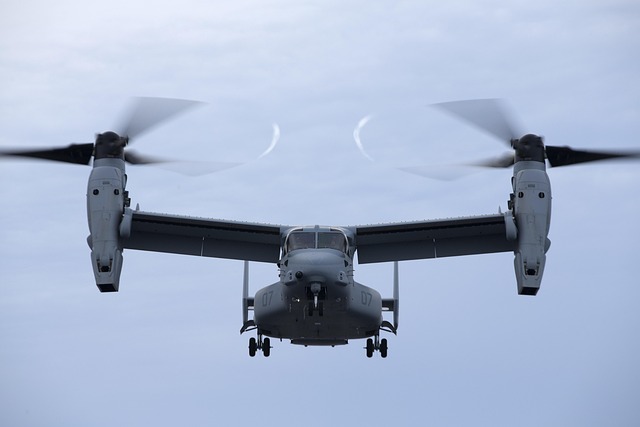
Tiltrotors, such as the Bell Boeing V-22 Osprey, represent another approach. They operate like helicopters for vertical takeoff and landing, then tilt their rotors forward to act like propellers, flying much like a turboprop aircraft. How fast do helicopters go allows the V-22 to cruise at speeds around 275 knots (316 mph or 509 km/h), far beyond any conventional helicopter.
Factors That Dictate Helicopter Speed
The actual speed a helicopter can achieve in any given flight depends on a multitude of factors, not just its design. These elements combine to determine operational performance and safety margins.
- Weight/Payload: A heavier helicopter requires more power to generate lift and overcome drag, reducing its maximum achievable speed.
- Altitude and Air Density: Thinner air at higher altitudes reduces rotor efficiency and engine power, impacting speed.
- Air Temperature: Hotter air is less dense, leading to similar performance reductions as high altitude.
- Wind Conditions: Headwinds reduce ground speed, while tailwinds increase it. Strong crosswinds can also limit maximum safe airspeeds.
- Rotor Blade Design: The shape, size, and number of rotor blades are critical to a helicopter’s aerodynamic performance.
- Engine Power: More powerful engines can provide greater thrust, allowing for higher speeds up to the aerodynamic limits.
- Mission Profile: A search and rescue helicopter might prioritize hover capability and lift, while a military scout helicopter might optimize for speed and agility.
Understanding Helicopter Airspeeds: Knots, MPH, and Vne
When discussing aircraft speed, several units and concepts are important. Pilots and aviation professionals primarily use knots (nautical miles per hour), while the general public often thinks in miles per hour (mph) or kilometers per hour (km/h).
A knot is equal to 1.15 mph or 1.85 km/h. A helicopter flying at 150 knots is moving at approximately 173 mph or 278 km/h. This distinction is crucial for navigation and international aviation standards, as defined by organizations like the International Civil Aviation Organization (ICAO).
Crucially, every helicopter has a specified Vne, or Never Exceed Speed. This is a critical airspeed limit that, if surpassed, could lead to structural damage or catastrophic failure. Vne is not just a theoretical maximum; it’s a red line on the airspeed indicator that pilots must never cross, even in an emergency. It often decreases with altitude or specific flight conditions, reflecting the increasing stress on the airframe.
How Speed Impacts Helicopter Operations and Mission Profiles
The speed capabilities of a helicopter directly influence its suitability for various roles. For instance, in emergency medical services (EMS) or search and rescue (SAR) operations, rapid response is paramount. While helicopters may not be as fast as jets, their ability to take off and land almost anywhere dramatically reduces overall mission time, especially in remote or difficult terrain.
For executive transport, a balance of speed, comfort, and range is key. Modern VIP helicopters, like the Leonardo AW169, offer competitive cruising speeds that allow for quick inter-city travel, often bypassing congested road networks. In military applications, attack helicopters like the Boeing AH-64 Apache prioritize maneuverability and survivability over raw speed, though they still maintain respectable combat speeds for tactical engagement.
Speed also directly impacts fuel consumption and range. Flying at maximum speed burns fuel faster, reducing a helicopter’s endurance and operational radius. Pilots often select a more efficient cruising speed, known as Vmr, to maximize flight time or distance, a common practice in long-distance ferrying or offshore support flights. This means real-world operational speeds are often lower than the helicopter’s maximum capability.
Comparison Table: Helicopter Speed by Type
To provide a clearer picture, here’s a general comparison of typical speeds across different helicopter categories as of 2026:
| Helicopter Type | Typical Cruising Speed (Knots) | Approx. MPH | Key Characteristics |
|---|---|---|---|
| Light Utility (e.g., Robinson R44) | 90-110 | 104-127 | Cost-effective, versatile for training, personal use, observation |
| Medium Civilian (e.g., AW139, H145) | 140–160 | 161-184 | EMS, VIP transport, offshore, law enforcement; good balance of speed/payload |
| Military Transport (e.g., UH-60 Black Hawk) | 140-160 | 161-184 | Troop transport, utility, combat search and rescue; strong design |
| Attack Helicopters (e.g., AH-64 Apache) | 140-155 | 161-178 | Armored, weaponized, agile; tactical combat speeds |
| Compound Helicopters (e.g., S-97 Raider) | 220-250+ | 253-288+ | Experimental, combines rotor lift with auxiliary thrust; high speed, increased complexity |
| Tiltrotors (e.g., V-22 Osprey) | 275-300+ | 316-345+ | Vertical takeoff/landing like helicopter, fixed-wing flight like plane; fastest rotorcraft |
Common Misconceptions About Helicopter Speed
Many people hold misconceptions about how fast do helicopters go, often comparing them unfairly to fixed-wing aircraft. One common mistake is assuming that because helicopters are technologically advanced, they must be inherently fast. However, their unique flight mechanism, while offering unparalleled versatility, imposes significant speed penalties.
Another misconception is that the fastest helicopters are always military models. While military helicopters are often powerful, the absolute speed records are typically held by experimental compound helicopters or tiltrotors, which often blur the line between helicopter and airplane. These designs are rarely deployed in large numbers for everyday military operations due to their complexity and cost.
Finally, some believe that helicopter speed is constant. As discussed, factors like weight, weather, and altitude can drastically alter a helicopter’s actual performance. A helicopter loaded to its maximum capacity on a hot day at high altitude will have a significantly lower maximum safe speed than the same helicopter operating light in cool, dense air at sea level.
Expert Insights: Pushing the Envelope of Rotorcraft Speed
The quest for faster helicopters continues, driven by military requirements and the desire for more efficient civilian transport. While the basic physics of conventional helicopters remain, innovation focuses on mitigating their limitations. The development of advanced rotor blade designs, active vibration control systems, and more powerful, fuel-efficient engines are incremental improvements.
The real breakthroughs, however, come from radical design shifts. Compound helicopters and tiltrotors are leading the charge. Companies like Bell and Sikorsky continue to invest in these advanced concepts, aiming to combine the vertical flight capabilities of a helicopter with the speed and range of a fixed-wing aircraft. The future of rotorcraft speed, as of July 2026, appears to be in these hybrid designs that cleverly sidestep the traditional aerodynamic barriers.
In our experience observing various rotorcraft operations, the most impactful advancements aren’t just about raw speed, but about delivering the right speed for the right mission. A slower, more strong helicopter that can land on a ship deck in heavy seas is often more valuable than a fragile, super-fast one that can’t. The focus is always on optimized performance, not just breaking speed records.
Frequently Asked Questions
What is the fastest helicopter in the world in 2026?
As of July 2026, the absolute speed record for a helicopter is held by experimental aircraft like the Sikorsky X2 or Eurocopter X3 demonstrators, which achieved speeds well over 250 knots (288 mph). Operational tiltrotors like the Bell Boeing V-22 Osprey also routinely exceed 275 knots (316 mph).
Why are helicopters slower than airplanes?
Helicopters are slower than airplanes due to inherent aerodynamic limitations of their rotating wings. The advancing blade experiences high speeds and compressibility, while the retreating blade can stall, creating an imbalance. Airplanes use fixed wings for lift and separate engines for thrust, allowing for much higher speeds before encountering similar issues.
What is the average cruising speed of a military helicopter?
The average cruising speed for most military helicopters, such as utility or transport models like the UH-60 Black Hawk or NH90, is typically between 140-160 knots (161-184 mph). Attack helicopters operate within a similar range but prioritize agility for combat maneuvers.
How does payload affect helicopter speed?
Payload significantly affects helicopter speed. A heavier load requires more engine power to maintain lift and overcome increased drag. This reduces the helicopter’s maximum achievable airspeed and can also decrease its fuel efficiency and range, making load management critical for flight planning.
Can helicopters fly in strong winds?
Helicopters can fly in strong winds, but their speed and maneuverability can be significantly impacted. Headwinds reduce ground speed, while tailwinds increase it. Strong crosswinds can make control challenging and may reduce the maximum safe airspeed (Vne) to prevent structural stress or loss of control.
How is helicopter speed measured?
Helicopter speed is primarily measured in knots (nautical miles per hour) using an airspeed indicator, which calculates speed based on air pressure differences. This indicated airspeed is then adjusted for altitude and temperature to determine true airspeed, which is the helicopter’s speed relative to the air mass.
Conclusion
While helicopters may not win a race against a jet, their unique capabilities make them indispensable for countless missions. The answer to how fast do helicopters go isn’t a single number, but a complex interplay of design, physics, and operational factors. As of July 2026, advancements in compound helicopters and tiltrotors continue to redefine what’s possible, blending the best of both rotary and fixed-wing flight. The key takeaway for anyone evaluating rotorcraft performance is to consider not just top speed, but the entire operational envelope and its suitability for the intended purpose.
Information current as of July 2026; pricing and product details may change.
Editorial Note: This article was researched and written by the Forge News editorial team. We fact-check our content and update it regularly. For questions or corrections, contact us. For readers asking “How fast do helicopters go”, the answer comes down to the specific factors covered above.