
 By Yasir Hafeez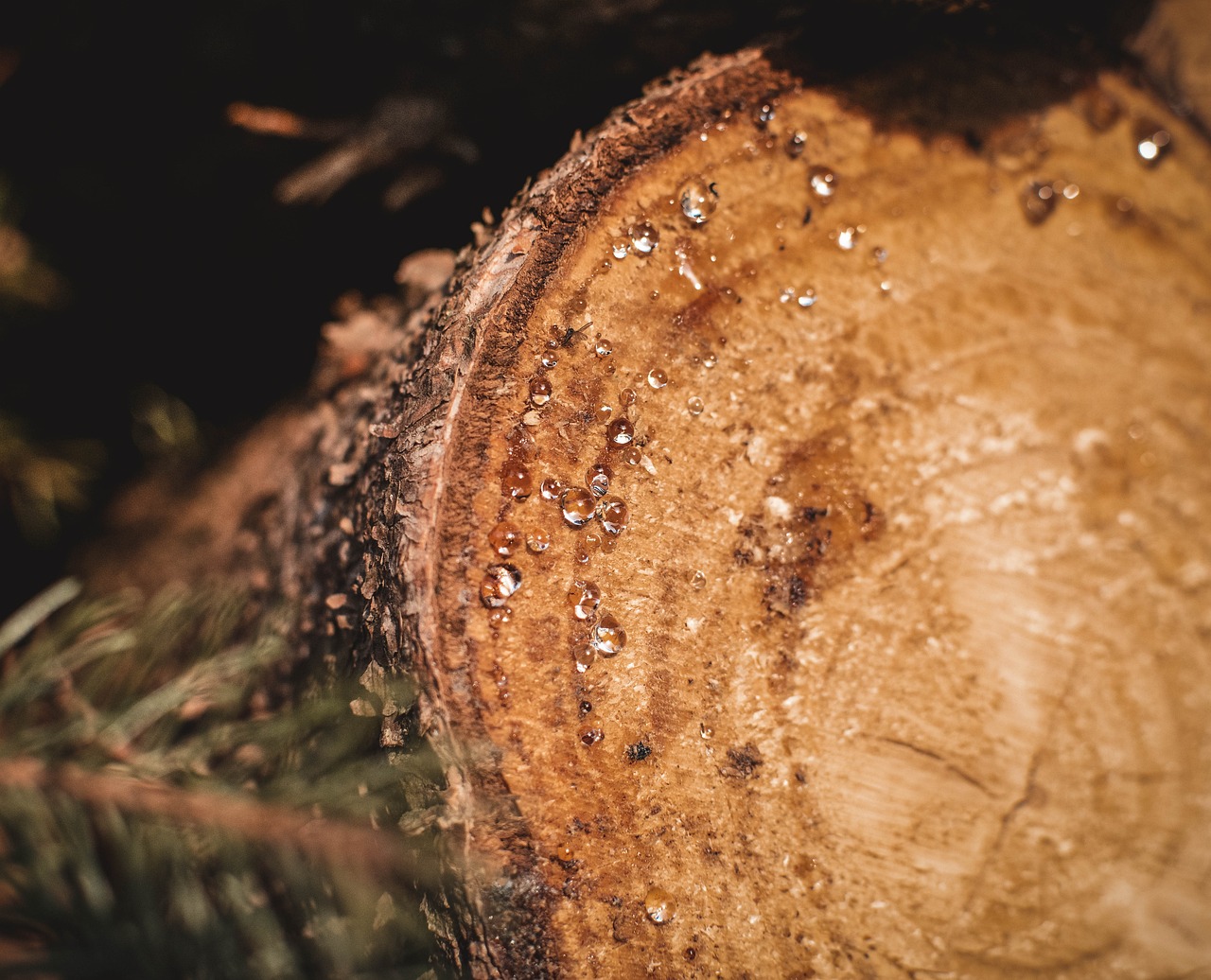
yrrh, Botanically Speaking?
Myrrh is a fragrant, reddish-brown oleo-gum-resin exuded from the bark of several small, thorny tree species in the Commiphora genus, most notably Commiphora myrrha. These trees thrive in arid regions, primarily in northeastern Africa (Ethiopia, Somalia) and the Arabian Peninsula (Yemen, Oman). When the tree bark is cut, it ‘bleeds’ a pale yellow sap that hardens into brittle, reddish-brown ‘tears’—the myrrh resin.
Last updated: July 9, 2026
This natural process is integral to the tree’s defense mechanism, sealing wounds and protecting against pathogens. The resin is then collected, often by hand, from these hardy desert trees. Its unique aroma and complex chemical composition, including sesquiterpenes, furanosesquiterpenes, and lignans, are responsible for its wide array of attributed properties.
Myrrh’s Enduring Legacy: From Ancient Ritual to Modern Wellness
The history of myrrh myrrh is as rich and aromatic as the resin itself, dating back thousands of years. Ancient Egyptians used it for embalming and perfumery, while various cultures incorporated it into religious ceremonies, incense, and traditional medicine. Its mention in ancient texts, including the Bible, underscores its historical significance and perceived value.
Today, myrrh continues to be valued, though its applications have evolved. Modern research, while still early in some areas, is beginning to explore and validate some of the traditional uses, shifting myrrh from purely historical curiosity to a subject of contemporary scientific interest. This blend of ancient wisdom and modern inquiry is why myrrh holds a unique place in the wellness world of 2026.
The Science Behind Myrrh: Key Compounds and Actions
The therapeutic potential of myrrh stems from its complex chemical makeup. Research has identified compounds like furanosesquiterpenes, which contribute to its anti-inflammatory effects, and various terpenoids, known for their antimicrobial activity. According to a 2026 review published in the journal Molecules, myrrh extract has demonstrated significant antimicrobial properties against a range of bacteria, fungi, and parasites. This makes it a compelling subject for natural health applications.
In real terms, this means myrrh isn’t just a pleasant scent; it’s a botanical powerhouse. Its ability to combat microbial growth and reduce inflammation positions it as a valuable ingredient in oral hygiene products, skin preparations, and even digestive support. Worth noting, these findings often come from in vitro (test tube) or animal studies, and human clinical trials are ongoing to fully understand its efficacy and optimal dosing.
Navigating Myrrh Forms: Resin, Essential Oil, and Tincture
Myrrh myrrh is available in several forms, each offering distinct methods of application and concentration levels. Understanding these differences is key to using myrrh effectively and safely. The most common forms are the raw resin, essential oil, and tinctures.
The raw resin is often burned as incense or used to make infusions. Myrrh essential oil, distilled from the resin, is highly concentrated and potent, primarily used topically or aromatically. Tinctures, typically made by steeping resin in alcohol, offer an oral delivery method, though these should always be used under professional guidance.
Choosing and Using Myrrh Effectively
When incorporating myrrh into your wellness routine, the choice of form dictates its application. For aromatic purposes, diffusing myrrh essential oil creates a calming and grounding atmosphere. For topical use, the essential oil must always be diluted in a carrier oil, such as jojoba or almond oil, at a concentration typically between 1-3%.
If you’re interested in the traditional use of burning resin, ensure good ventilation and use a heat-proof censer. For internal applications, especially tinctures or powdered resin, it’s paramount to consult with a qualified herbalist or healthcare provider due to potential interactions and dosage considerations. Never ingest essential oils unless explicitly directed by a professional experienced in aromatherapy.
Practical Applications of Myrrh in 2026
Myrrh’s versatility means it finds a place in various contemporary wellness practices. Its renowned antimicrobial properties make it a popular ingredient in natural oral care, often found in toothpaste and mouthwashes. A simple homemade mouth rinse can be made by adding a drop or two of diluted myrrh essential oil to water, used to soothe gums.
For skin health, myrrh is prized for its ability to support wound healing and reduce inflammation. It’s often included in balms and serums for mature skin or minor skin irritations. In aromatherapy, myrrh’s deep, warm, and somewhat bitter aroma is grounding and meditative, frequently blended with frankincense or citrus oils for enhanced effects.
Some users also turn to myrrh for digestive support, often in tincture form, to alleviate discomfort. However, this application requires careful consideration and professional advice. The wrinkle here: while historical use is extensive, specific dosages for internal benefits are still being quantified by modern science as of 2026.
Sourcing Quality Myrrh: What to Look For
The market for natural botanicals can be complex, and myrrh is no exception. Ensuring you’re purchasing high-quality, pure myrrh is crucial for both efficacy and safety. Look for suppliers who provide transparency about their sourcing, including the botanical name (Commiphora myrrha is preferred), country of origin, and harvesting practices.
Ethical sourcing is a growing concern. Some regions where myrrh is harvested face economic challenges, and sustainable practices are vital to protect both the trees and local communities. Seek out suppliers who can verify fair trade practices or certifications. Prices for high-quality myrrh resin can vary, but expect to pay between $15 and $40 per ounce for reputable, ethically sourced product as of July 2026, depending on the grade and supplier. Inferior or adulterated products might be cheaper but offer little benefit and potentially carry risks.
Common Pitfalls and Side Effects of Myrrh Use
While myrrh myrrh is largely considered safe for topical and aromatic use when properly diluted, there are important precautions. The most common mistake is applying undiluted myrrh essential oil directly to the skin, which can cause irritation or sensitization. Always perform a patch test on a small area of skin before widespread use.
Internal use carries more significant risks. High doses of myrrh can lead to diarrhea, kidney irritation, or heart rate changes. Pregnant or breastfeeding individuals should avoid myrrh due to insufficient safety data. Myrrh can also interact with certain medications, including anticoagulants (blood thinners) and antidiabetic drugs, potentially affecting blood sugar levels. Always consult a healthcare professional before internal use, especially if you have existing health conditions or are taking medication.
Tips, Best Practices, and Expert Insights
In my years working in natural wellness and aromatherapy, I’ve seen how powerful myrrh can be when used thoughtfully. A unique insight for those looking to maximize myrrh’s benefits is its synergistic relationship with frankincense. Often used together traditionally, their combined aromatic and therapeutic profiles are truly complementary. A blend of 2 parts frankincense to 1 part myrrh in a diffuser creates a profound sense of calm and clarity.
Another practical tip: for minor oral irritations, a simple myrrh mouthwash can be prepared by dissolving a small piece of resin (about the size of a pea) in warm water overnight, then using the strained liquid as a rinse. This avoids the intensity of essential oils while still Using myrrh’s properties. Always store myrrh resin in an airtight container away from direct sunlight to preserve its potency, and keep essential oils in dark glass bottles.
| Feature | Myrrh Resin | Myrrh Essential Oil | Myrrh Tincture |
|---|---|---|---|
| Form | Hardened gum-resin ‘tears’ | Concentrated liquid via distillation | Alcoholic extract of resin |
| Primary Use | Incense, infusions, traditional medicine | Aromatherapy, topical (diluted) | Internal (under guidance), topical |
| Potency | Mild to moderate | Highly concentrated, very potent | Moderate to high |
| Application | Burned, steeped, powdered | Diffused, diluted on skin | Taken orally, applied topically |
| Cost (per ounce, est. 2026) | $15 – $40 | $30 – $70 (per 15ml bottle) | Varies widely ($10 – $30 per bottle) |
| Shelf Life | Years if stored properly | 2-4 years | 1-3 years |
| Precautions | Ventilation for burning | Always dilute, patch test | Consult professional, interactions |
Pros of Myrrh Use
- Natural Antimicrobial: Effective against various bacteria, fungi, and parasites.
- Anti-inflammatory Properties: May help reduce pain and swelling.
- Oral Health Support: Excellent for gums and maintaining mouth hygiene.
- Skin Healing: Aids in wound care and supports skin regeneration.
- Grounding Aroma: Promotes relaxation and meditation in aromatherapy.
Cons of Myrrh Use
- Potential for Skin Irritation: Essential oil must be properly diluted.
- Internal Use Risks: Can cause digestive upset or interact with medications.
- Sourcing Challenges: Purity and ethical harvesting can be difficult to verify.
- Strong Aroma: Not universally appealing to everyone.
- Cost: High-quality myrrh, especially essential oil, can be expensive.
Frequently Asked Questions
Is myrrh safe to ingest?
Ingesting myrrh, especially essential oil, is generally not recommended without professional medical or herbalist guidance. High doses can lead to side effects like diarrhea or kidney irritation. Always consult a healthcare provider for safe internal use, particularly if you have underlying health conditions or are on medication.
What’s the difference between myrrh and frankincense?
Both myrrh and frankincense are aromatic resins from the Burseraceae family, often used together. However, they come from different genera (myrrh from Commiphora, frankincense from Boswellia) and have distinct aromas and chemical compositions, leading to slightly different therapeutic profiles. Myrrh tends to be more bitter and earthy, while frankincense is sweeter and more uplifting.
How should I store myrrh resin and essential oil?
Myrrh resin should be stored in an airtight container in a cool, dark place, away from direct sunlight and heat, to preserve its aroma and properties for several years. Myrrh essential oil should be kept in a dark glass bottle with a tight-fitting lid, also in a cool, dark place, to prevent oxidation and extend its shelf life, typically 2-4 years.
Can myrrh help with pain?
Myrrh has traditional uses for pain relief, attributed to its anti-inflammatory compounds. Some studies suggest it may help reduce inflammation and discomfort, particularly in conditions like arthritis or oral pain. However, it should not replace conventional pain management, and topical application should always be diluted, with internal use only under professional guidance.
What does myrrh smell like?
Myrrh has a distinctive, complex aroma that’s warm, earthy, woody, and slightly bitter or medicinal. It’s often described as a grounding and mystical scent. The aroma can vary slightly depending on the specific Commiphora species and the resin’s age and quality, but it’s generally recognized for its deep, resinous character.
Are there sustainable sourcing issues with myrrh?
Yes, like many wild-harvested botanicals, myrrh faces sustainability challenges due to overharvesting and habitat degradation in its native regions. Consumers should look for reputable suppliers who practice or support sustainable and ethical harvesting methods, ensuring fair compensation for collectors and long-term viability of the myrrh trees. This helps protect both the environment and local communities.
Conclusion
Myrrh myrrh continues its journey from ancient reverence to modern recognition, offering a rich mix of uses for those seeking natural wellness solutions. Its potent antimicrobial, anti-inflammatory, and aromatic qualities make it a valuable addition to many routines, from oral care to meditative practices. The key to Using its power lies in understanding its various forms, prioritizing ethical sourcing, and always practicing safe and informed application. Embrace this timeless botanical wisely, and it can become a cherished part of your complete well-being.
Information current as of July 2026; pricing and product details may change.
Source: Britannica
Editorial Note: This article was researched and written by the Forge News editorial team. We fact-check our content and update it regularly. For questions or corrections, contact us. Knowing how to address myrrh myrrh early makes the rest of your plan easier to keep on track.
Related read: Best Reading Lamps 2026: Illuminate Your World Without Eye Strain.