
 By Yasir Hafeez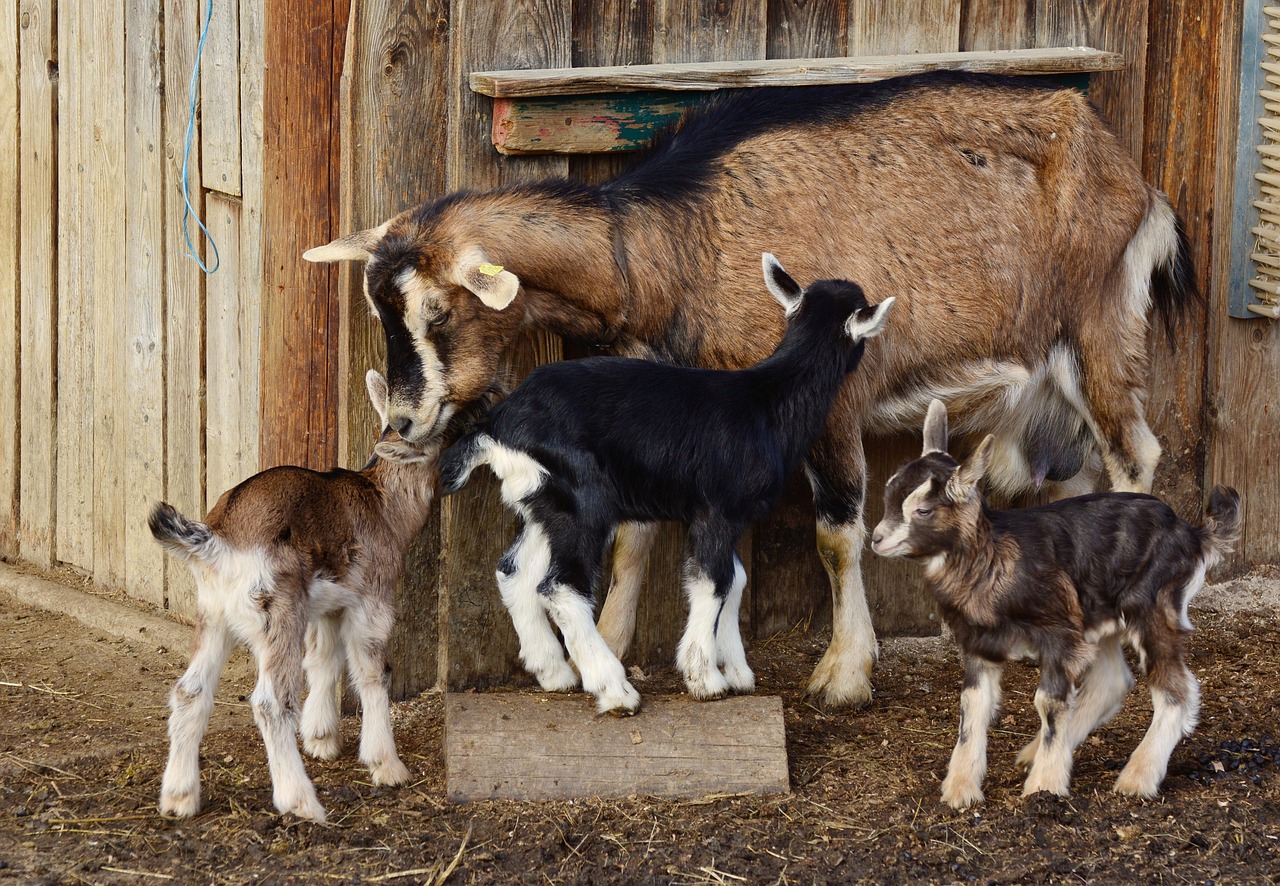
Sarah, a keen knitter, once invested heavily in what she thought was a high-quality mohair yarn, only to find it shed excessively and lost its sheen after a few washes. This common frustration highlights a critical point: understanding mohair means looking beyond the label. While often lauded as the ‘diamond fiber,’ getting true value from mohair requires knowing its unique properties, how to identify quality, and smart care practices in 2026.
Last updated: July 9, 2026
Key Takeaways
- Mohair originates from the Angora goat, prized for its lustrous, durable, and insulating fibers.
- Quality mohair is graded by micron count and length, with kid mohair being the finest and softest.
- Identifying genuine mohair involves checking for a natural sheen, resilience, and ethical certifications like the Responsible Mohair Standard (RMS).
- Proper care, including gentle handwashing and air drying, is crucial for preserving mohair’s unique properties and extending its lifespan.
- Mohair’s cost often reflects its grade, blend, and ethical sourcing, offering varied value propositions compared to other luxury fibers.
What Exactly Is Mohair, and Why the Hype?
Mohair is a luxurious natural fiber derived from the fleece of the Angora goat, distinct from Angora wool which comes from rabbits. Its reputation as the ‘diamond fiber’ stems from its exceptional luster, durability, and resilience, making it a highly sought-after material in textiles.
The fiber’s smooth surface reflects light, giving garments and fabrics a distinctive sheen that other natural fibers often lack. This unique characteristic, combined with its strength, positions mohair as a premium choice for everything from high-fashion apparel to durable home furnishings.
Many find the initial investment in mohair justified by its long lifespan and ability to hold vibrant dyes exceptionally well. It’s not just about aesthetics; mohair offers practical benefits that contribute to its enduring appeal.
The Angora Goat’s Gift: Origin and Production
The Angora goat, originally from Ankara (formerly Angora) in Turkey, is the sole source of mohair. These goats are typically shorn twice a year, yielding long, curly locks that are then processed into yarn or fabric.
The quality and fineness of mohair vary significantly with the goat’s age. Kid mohair, shorn from young goats, is the softest and finest, often used for delicate garments. As the goat matures, the fiber becomes coarser but also more durable, suitable for outerwear and upholstery.
Globally, South Africa is the largest producer of mohair, accounting for a significant portion of the world’s supply as of July 2026. Other notable producers include Texas in the United States, Argentina, Australia, and Turkey.
Mohair’s Unique Properties: Beyond Just Softness
While often associated with softness, mohair offers a suite of properties that make it truly unique. Its natural luster is perhaps its most distinguishing feature, giving fabrics a glowing, almost iridescent quality.
Beyond the sheen, mohair is incredibly durable and resilient. It resists crushing, stretching, and felting, meaning garments hold their shape and bounce back from wrinkles better than many other fibers. This contributes directly to the fiber’s longevity.
Mohair is also an excellent insulator, providing warmth in winter, yet its moisture-wicking properties ensure comfort in warmer conditions by drawing moisture away from the skin. This versatility makes it suitable for various climates and applications.
Navigating the Mohair Market: Identifying Quality and Value
To truly unlock the value of mohair, understanding its grades and how they impact price and application is key. The fineness of mohair is measured in microns, with lower micron counts indicating softer, more expensive fiber.
Kid mohair typically ranges from 24–29 microns, making it exceptionally soft for items worn close to the skin. Young goat mohair (30–33 microns) offers a balance of softness and durability, while adult mohair (34-40 microns) is stronger, often used for outer garments and home textiles.
When buying mohair yarn or fabric, always check the label for the fiber content and country of origin. Pure mohair will feel light yet substantial, with a noticeable sheen. Blends with silk or merino wool can enhance softness or drape, often at a slightly lower price point, offering excellent value.
Real-World Applications: Where Mohair Shines
Mohair’s versatility means it appears in a wide array of products. In fashion, it’s a staple for luxurious sweaters, cardigans, and scarves, known for their warmth without excessive weight. Its durability also makes it a popular choice for suits and coats, which resist creasing.
For home decor, mohair adds elegance and comfort to throws, blankets, and upholstery. Its natural resistance to dirt and felting means these items maintain their appearance over time. Consider a mohair throw for a touch of understated luxury that stands up to daily use.
Beyond apparel and home goods, mohair is used in specialty applications like doll hair, painters’ rollers, and even certain types of durable carpet. Its strength and unique texture make it suitable for functions where other fibers fall short.
Pros & Cons of Mohair
Pros
- Exceptional luster and natural sheen
- Highly durable and resilient, resists creasing
- Excellent insulation, yet breathable and moisture-wicking
- Takes dye exceptionally well, resulting in vibrant colors
- Resistant to felting and crushing
Cons
- Can be more expensive than conventional wool
- May cause itchiness for some sensitive skin, especially coarser grades
- Requires gentle care (handwashing, air drying)
- Can shed, particularly in looser weaves or lower quality blends
- Susceptible to moth damage if not stored properly
Caring for Your Mohair: Maximizing Longevity and Value
Proper care is paramount to maintaining the beauty and extending the lifespan of your mohair items. The general rule is gentle handling, which preserves the fiber’s unique structure and luster.
Most mohair garments should be hand washed in cool water with a mild wool-specific detergent. Avoid harsh scrubbing or twisting. Gently squeeze out excess water, then roll the item in a clean towel to absorb more moisture. Never put mohair in a machine dryer, as the heat and agitation can cause irreversible shrinkage and damage.
Lay flat to air dry on a clean, dry surface, away from direct sunlight or heat. For storage, fold rather than hang to prevent stretching, and consider using cedar balls to protect against moths. This diligent approach ensures your mohair remains a valuable part of your wardrobe for years.
Ethical Mohair Sourcing in 2026: What Consumers Should Know
As consumer awareness grows, ethical sourcing has become a crucial consideration for mohair. The Responsible Mohair Standard (RMS), established by Textile Exchange, offers a certification for mohair production that addresses animal welfare and land management practices. According to Textile Exchange, the RMS aims to provide brands with a tool to verify their mohair supply chain as of 2026.
When purchasing mohair, look for labels indicating RMS certification or other transparent sourcing initiatives. Many reputable brands will openly share their commitment to ethical practices, often detailing their supply chain and partnerships with specific farms.
Choosing ethically sourced mohair not only supports responsible farming but also ensures a higher quality product born from sustainable practices. This commitment reflects a growing trend in the luxury fiber market.
Mohair vs. Competitors: A Value Comparison
Mohair often finds itself compared to other luxury fibers like cashmere, alpaca, and merino wool. Each has distinct characteristics that dictate its value proposition and ideal use.
Cashmere is known for its extreme softness and lightweight warmth, but typically comes at a higher price point and requires delicate care. Alpaca is also very soft and hypoallergenic, with good warmth, often considered a slightly more affordable alternative to cashmere.
Merino wool offers excellent warmth, breathability, and versatility, usually at a lower price than mohair, but lacks mohair’s signature luster and resilience. The wrinkle here: mohair offers a unique blend of durability, luster, and warmth that often outlasts other luxury fibers, making its initial cost a long-term value investment.
In real terms, a pure kid mohair sweater might cost more upfront than a merino wool one, but its resistance to pilling and stretching means it could look new for much longer. For a comparison of typical properties and price ranges as of 2026:
| Fiber Type | Key Properties | Typical Softness | Durability | Approx. Cost (Yarn/Garment) |
|---|---|---|---|---|
| Mohair (Kid) | Lustrous, resilient, warm, moisture-wicking | Very Soft | High | $$$ (Mid-High) |
| Mohair (Adult) | Lustrous, very durable, insulating | Medium | Very High | $$ (Mid) |
| Cashmere | Extremely soft, lightweight, warm | Luxuriously Soft | Medium | $$$$ (High) |
| Alpaca | Soft, warm, hypoallergenic, good drape | Very Soft | High | $$$ (Mid-High) |
| Merino Wool | Soft, breathable, elastic, good thermal regulation | Soft | Medium-High | $$ (Mid) |
Common Mistakes with Mohair: Avoiding Disappointment
One prevalent mistake is confusing mohair with Angora wool, leading to incorrect care practices. Angora wool is much finer and more delicate, requiring even more specialized handling than mohair. Always confirm the fiber content before washing.
Another pitfall is buying mohair without inspecting its grade or blend. A cheaper mohair blend might contain less actual mohair or be blended with scratchier fibers, diminishing its comfort and luxury feel. Always feel the fabric and check the label carefully.
Lastly, improper washing and drying techniques are common culprits for damaged mohair. Machine washing or tumble drying can irrevocably shrink, felt, or distort mohair garments, leading to a significant loss of investment. Stick to handwashing and flat drying.
Expert Tips for Mohair Enthusiasts
For those knitting or crocheting with mohair yarn, consider blending it with a silk or fine merino base. This not only adds strength and stability but also enhances the drape and reduces potential shedding, making the finished item more versatile and comfortable. Mohair lace-weight yarn, for example, shines when held double with a silk strand.
When purchasing finished mohair items, pay attention to the weave. A tightly woven mohair fabric will be more durable and less prone to shedding than a loosely knit, brushed mohair. Both have their place, but the former offers greater longevity for everyday wear.
Invest in quality garment storage bags or containers that are breathable but moth-proof. Moths are attracted to natural fibers, and a small preventative measure can save a valuable mohair piece from irreparable damage. Vacuuming and airing out storage areas regularly also helps.
Frequently Asked Questions
Is mohair an ethical fiber choice in 2026?
Yes, mohair can be an ethical choice, especially when sourced from farms certified by standards like the Responsible Mohair Standard (RMS). These certifications ensure animal welfare and sustainable land management. Always look for transparent sourcing information from brands.
How do I prevent mohair from shedding?
Shedding in mohair can be minimized by choosing tightly woven or knit items and proper care. Gently brushing the garment with a soft brush or placing it in a sealed bag in the freezer for a few hours can also help set the fibers and reduce shedding.
What’s the difference between kid mohair and adult mohair?
Kid mohair comes from the first shearings of young Angora goats and is significantly finer, softer, and more expensive (around 24-29 microns). Adult mohair, from older goats, is coarser (34-40 microns) but more durable and often used for outerwear or upholstery.
Can mohair be machine washed?
Generally, mohair should not be machine washed. The agitation and heat can cause irreversible shrinkage and felting. Handwashing in cool water with a mild detergent and laying flat to air dry is the recommended method to preserve its integrity.
Why is mohair often blended with other fibers?
Mohair is frequently blended to enhance specific qualities or reduce cost. Blending with silk adds drape and luster, merino wool adds softness and elasticity, and nylon can increase strength. These blends offer versatile options for various applications.
Conclusion: The Enduring Appeal of Mohair
Mohair, the remarkable fiber from the Angora goat, continues to be a standout in the world of textiles. Its unique combination of luster, durability, and insulating properties offers a compelling value proposition, especially when you know what to look for.
By understanding its grades, seeking ethical sourcing, and committing to proper care, you can ensure your mohair pieces not only add luxury to your life but also stand the test of time. Choosing mohair isn’t just buying a garment; it’s investing in a fiber with genuine, lasting quality.
Information current as of July 2026; pricing and product details may change.
Editorial Note: This article was researched and written by the Forge News editorial team. We fact-check our content and update it regularly. For questions or corrections, contact us. Knowing how to address mohair mohair early makes the rest of your plan easier to keep on track.
Related read: Buckeye Book 2026: Unveiling Patrick Ryan's Acclaimed Novel and Beyond.