
 By Yasir Hafeez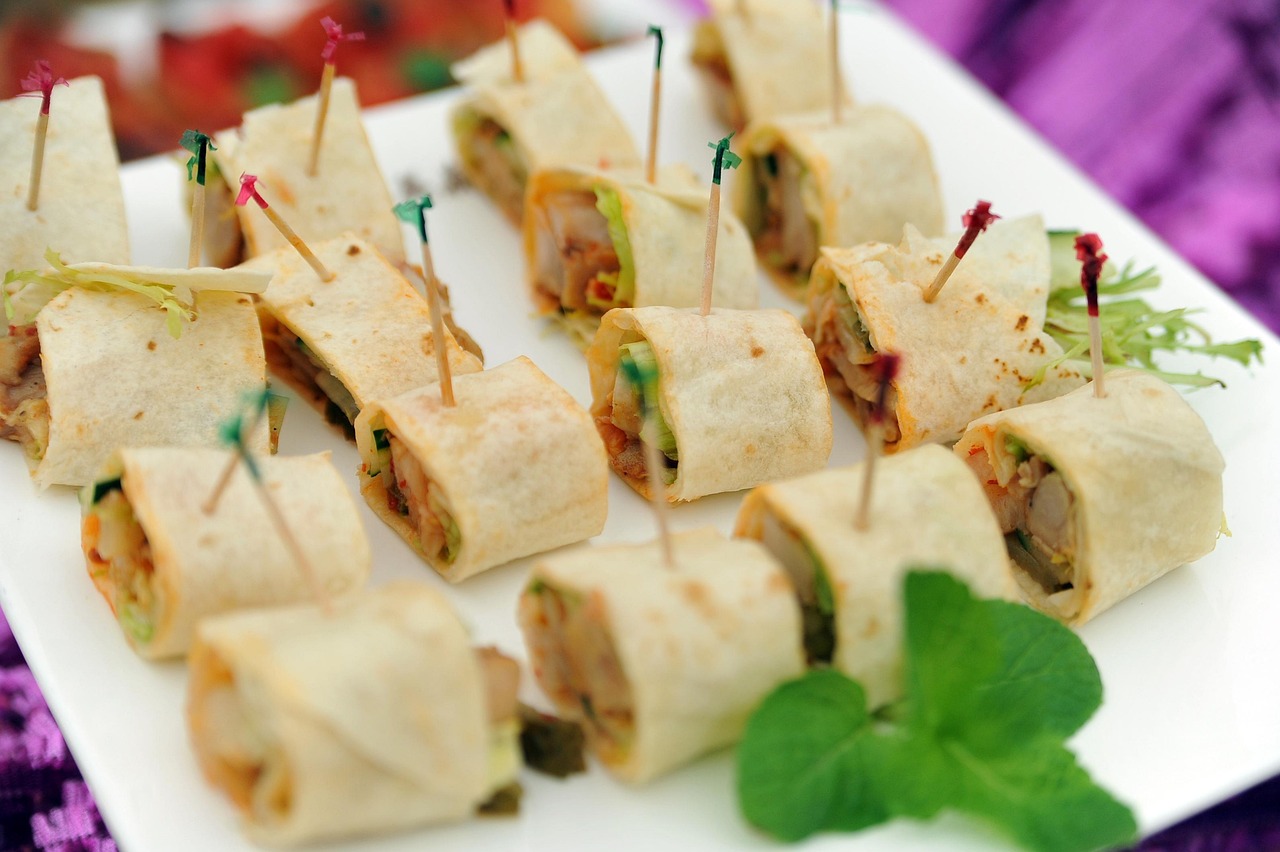
A Year 4 teacher in Birmingham emailed me last week — her interactive whiteboard had stopped registering touch input, and she had a science lesson in 20 minutes. Here’s what to check first.
Last updated: July 9, 2026
Key Takeaways
- Prioritize recipes that hold up well to transport and varying temperatures, such as grain salads, or sturdy sandwiches.
- Focus on make-ahead dishes to minimize stress on picnic day, allowing flavors to meld and saving valuable time.
- Implement strict food safety practices, especially for perishable items, by using insulated coolers and ice packs to keep foods below 40°F (4°C).
- Opt for budget-friendly ingredients like seasonal produce and homemade dips to maximize value without compromising taste.
- Choose portable, easy-to-eat options that require minimal cutlery, enhancing the casual, outdoor dining experience for everyone.
Planning a perfect outdoor meal in July 2026 means choosing the best picnic recipes that are not just delicious but also practical. Most people spend precious hours on picnic day trying to assemble last-minute dishes, only to find them soggy or lukewarm upon arrival. The secret to a truly enjoyable al fresco experience lies in smart recipe selection and preparation, ensuring your food is fresh, safe, and easy to enjoy.
The Foundation of a Perfect Picnic: Beyond Just Taste
The hallmark of the best picnic recipes isn’t just incredible flavor, but also their ability to withstand the journey and conditions of outdoor dining. Think about portability, temperature stability, and ease of eating without a full dining setup. A delicate soufflé, while delicious, is a logistical nightmare for a park outing; a strong pasta salad, on the other hand, thrives.
Consider a hearty Mediterranean-style chickpea and quinoa salad versus a creamy, leafy green salad. The former will remain fresh and appetizing for hours, even in moderate heat, while the latter wilts quickly and risks bacterial growth. This practical consideration is paramount for a safe and enjoyable experience.
Food safety is a non-negotiable aspect, especially with summer temperatures peaking in July 2026. According to the USDA (2025), perishable foods should not be left at room temperature for more than two hours, or one hour if the temperature is above 90°F (32°C). This means selecting recipes that are either non-perishable or can be kept properly chilled.
Make-Ahead Marvels: Effortless Picnic Preparations
The true joy of a picnic comes from relaxing in nature, not stressing over last-minute cooking. This is where make-ahead picnic dishes shine. Recipes that can be prepared entirely or mostly the day before significantly reduce stress and often taste even better after the flavors have had time to meld.
Dishes like a vibrant lentil salad, a layered vegetarian wrap, or a batch of homemade lemon bars are perfect examples. These items require minimal effort on picnic day, allowing you to focus on packing and enjoying the company. A well-chilled pasta salad made the night before will be perfectly ready to serve.
When selecting your make-ahead options, think about components that can be assembled quickly. For instance, chopping vegetables for a salad or preparing a dip can be done days in advance. Freezing water bottles or juice boxes can double as ice packs, keeping your make-ahead food cool while also providing refreshing drinks later.
Savory Staples: Main Dishes That Travel Well
For the main event, choose portable lunch ideas that are satisfying without being messy. Sandwiches and wraps are classic for a reason, but elevate them beyond basic deli meat. Consider sturdy Mediterranean sandwiches filled with hummus, roasted vegetables, and feta, or turkey, Gouda, and apple tea sandwiches for a lighter touch.
Mason jar pasta salads are another fantastic option, allowing you to layer ingredients to prevent sogginess. Place dressing at the bottom, followed by hardier vegetables, pasta, and greens on top. When ready to eat, simply shake and serve. These are excellent for individual portions and keep everything fresh.
Dishes like savory hand pies or individual quiches also travel exceptionally well. They are self-contained, easy to eat, and delicious at room temperature or slightly chilled. For specific ideas on portable food containers, see.
Refreshing Sides & Salads: Keeping Cool and Crisp
Sides and salads are crucial for balancing your picnic meal, offering freshness and texture. Opt for vinegar-based or grain salads over creamy, mayonnaise-heavy ones, especially in warm weather, to reduce food safety risks and maintain integrity. A quinoa power bowl with roasted sweet potatoes, black beans, and a lime vinaigrette is both nutritious and strong.
Fresh fruit salads are always a hit. Combine berries, melon chunks, grapes, and orange segments for a colorful and hydrating side. Avoid fruits that brown quickly, like sliced apples, unless tossed in a citrus juice to prevent oxidation. Packing dressings separately for green salads is a key tip to prevent wilting.
Another excellent choice is a creamy coleslaw, but ensure it’s kept very cold. Some recipes use a lighter, yogurt-based dressing or a vinegar-based one to mitigate risks while still delivering on flavor. The Kitchen (2026) highlights several reader-favorite cold salads that are perfect for summer outings.
Sweet Endings: Portable Desserts for Al Fresco Delight
No picnic is complete without a sweet treat. The best picnic recipes for dessert are those that are easy to transport, don’t require refrigeration, and aren’t prone to melting. Chocolate chip cookie sandwiches, frosted lemon-ricotta cookies, or rainbow gelatin cubes are excellent choices.
Bars and brownies are incredibly versatile and travel well. Think lemon bars, classic fudge brownies, or oat and berry crumble bars. These can be pre-cut into individual servings, making them easy to grab and enjoy. Avoid anything with delicate frosting or whipped cream, which can become a sticky mess in the heat.
Fresh fruit, again, makes a simple and healthy dessert. Watermelon feta skewers, as suggested by ChefStandards (2025), offer a delightful sweet and savory contrast that’s incredibly refreshing. These require minimal prep and are a crowd-pleaser.
Budget-Friendly Bites: Smart Choices for Savvy Picnic-Goers
Creating a memorable picnic doesn’t have to break the bank. Focusing on budget picnic ideas involves smart ingredient choices and a bit of DIY spirit. Prioritize seasonal produce, which is often more affordable and flavorful. For example, in July 2026, berries, corn, and tomatoes are typically at their peak and offer excellent value.
Making items from scratch, such as dips (hummus, salsa), spreads, and even baked goods, is almost always more cost-effective than buying pre-made. A homemade batch of hummus and a bag of carrots and bell peppers for dipping costs significantly less than a store-bought veggie platter.
Instead of expensive cold cuts, consider using canned tuna or chickpeas for protein-rich salads that stretch further. A hearty bean and pasta salad can feed a crowd for a fraction of the cost of a meat-heavy alternative. This approach ensures deliciousness while being mindful of your wallet.

Crafting Your Perfect Picnic Menu: A Quick Guide
Choosing the best picnic recipes involves more than just picking delicious dishes; it requires a strategic approach to ensure everything comes together seamlessly. Here’s a step-by-step guide to curating your ideal outdoor feast:
- Assess Your Picnic Parameters: Consider your guest list (kids, adults, dietary restrictions), the duration of the picnic, the weather forecast, and available equipment (cooler size, blankets).
- Choose a Balanced Menu: Aim for a mix of main dishes, sides, and desserts. Include protein, fresh vegetables, grains, and something sweet. Think about variety in texture and flavor profiles.
- Prioritize Make-Ahead & Portable Options: Select recipes that can be prepared the day before and are easy to transport and eat without excessive cutlery or plates. Focus on foods that taste good at room temperature or well-chilled.
- Plan for Food Safety: Incorporate dishes that are low-risk for bacterial growth. If including perishables, ensure you have adequate cooling solutions (ice packs, insulated bags) to keep them below 40°F (4°C).
- Pack Smart: Use airtight containers to prevent leaks and spills. Pack heavier, sturdy items at the bottom of your basket or cooler and more delicate items on top. Don’t forget essentials like napkins, wet wipes, and a trash bag.
| Salad Type | Pros for Picnics | Cons for Picnics | Best Use Case |
|---|---|---|---|
| Creamy (e.g., Potato, Macaroni) | Comforting, familiar flavors; very satisfying. | High risk for bacterial growth if not kept cold; can become heavy in hot weather. | Shorter picnics (under 2 hours) with reliable refrigeration. |
| Vinegar-Based (e.g., Bean, Grain) | Excellent for make-ahead; flavors improve over time; lower food safety risk; refreshing. | May not appeal to all palates; can be perceived as less indulgent. | Longer outings, hot weather, vegetarian-friendly options. |
Pros of Gourmet Wraps for Picnics
- Self-contained and easy to eat, minimizing mess.
- Highly customizable with various fillings (vegetarian, meat, gluten-free options).
- Can be made ahead and often taste better as flavors meld.
- Less prone to sogginess compared to traditional bread sandwiches if packed correctly.
Cons of Gourmet Wraps for Picnics
- Can be challenging to keep fillings from shifting during transport if not wrapped tightly.
- Some fillings, like fresh greens, might wilt if dressed too early.
- Larger wraps can be cumbersome for small children to eat.
- Requires a good quality tortilla or flatbread that doesn’t crack when rolled.
Common Mistakes to Avoid for a Stress-Free Picnic
Even with the best picnic recipes, a few common errors can derail your outdoor dining experience. Avoiding these pitfalls ensures your effort pays off.
One frequent mistake is neglecting proper insulation. Forgetting ice packs or using an inadequate cooler means perishable foods quickly enter the ‘danger zone’ for bacterial growth. Always pack more ice than you think you need, or freeze bottles of water to serve as dual-purpose chillers and drinks. This is especially critical during the hotter months of 2026.
Another common issue is soggy sandwiches. Packing wet ingredients (like tomatoes or pickles) directly onto bread allows moisture to leach, leading to a disappointing meal. The solution is to pack these items separately and assemble sandwiches just before eating, or use sturdy, moisture-resistant bread like focaccia. For more on safe food handling, see.
Finally, over-reliance on mayonnaise-based salads in warm weather is a classic blunder. While delicious, these salads are high-risk. Opt for vinaigrette-dressed grain or bean salads, or ensure creamy options are packed in smaller, well-chilled containers and consumed quickly.
Expert Tips for a smooth Summer Picnic in 2026
Having curated countless picnic menus, I’ve learned a few tricks that elevate the experience from good to unforgettable. These expert insights go beyond just the recipes themselves, focusing on execution and enjoyment.
First, pre-portioning is your best friend. Instead of bringing large bowls of salad, portion them into individual reusable containers or Mason jars. This makes serving effortless, reduces mess, and helps control portion sizes. It also minimizes cross-contamination when multiple hands are reaching into a shared dish.
Second, think multi-purpose. Freeze grapes or berries to act as edible ice cubes for drinks. Use large, sturdy lettuce leaves (like butter lettuce) as edible wraps for other fillings, reducing the need for extra plates. A sharp, compact multi-tool or a small cutting board can be surprisingly useful for last-minute adjustments.
Finally, don’t underestimate hydration. Beyond the usual bottled water, consider making large batches of infused water (cucumber-mint, lemon-berry) or iced tea the day before. These are refreshing, healthy, and can be transported in insulated thermoses, staying cool for hours. Forge News often covers efficient meal prep strategies, which apply perfectly here.
Frequently Asked Questions
What makes a good picnic recipe?
A good picnic recipe is delicious, easy to transport, holds up well at varying temperatures, and is simple to eat without extensive cutlery. It should ideally be prepared in advance, minimizing on-site effort, and prioritize food safety to prevent spoilage, especially in warm weather.
How do I keep picnic food safe in warm weather?
To keep picnic food safe, use insulated coolers with plenty of ice packs or frozen water bottles. Ensure perishable items stay below 40°F (4°C) and avoid leaving them out for more than two hours (one hour if above 90°F/32°C). Pack raw meats separately from ready-to-eat foods.
Can I make picnic food the day before?
Yes, many of the best picnic recipes are ideal for make-ahead preparation. Salads with vinaigrette dressings, sturdy sandwiches (with wet ingredients packed separately), baked goods, and many dips improve with time as flavors meld. Always refrigerate promptly and properly.
What are some vegetarian picnic options?
Excellent vegetarian picnic options include quinoa salads with roasted vegetables, hearty chickpea or lentil salads, hummus with fresh vegetable sticks, caprese skewers, savory hand pies filled with spinach and feta, and substantial layered veggie wraps. Fruit salads are also a refreshing choice.
What kind of drinks are best for a picnic?
For picnics, refreshing and non-alcoholic drinks are best. Think chilled water, homemade lemonade, iced tea, sparkling water with fruit infusions, or juice boxes. Pack them in insulated containers to keep them cold, and consider freezing some bottles to double as ice packs.
How can I make my picnic more sustainable?
To make your picnic more sustainable, use reusable containers, cutlery, plates, and napkins. Avoid single-use plastics. Pack homemade food to reduce packaging waste, and choose local, seasonal ingredients. Remember to bring a trash bag to pack out all your waste, leaving no trace behind.
Conclusion
Crafting the best picnic recipes for your summer 2026 outings is all about balancing flavor with practicality. By focusing on make-ahead dishes, prioritizing food safety, and making smart, budget-conscious choices, you can create a truly memorable outdoor dining experience. Pack smart, eat well, and enjoy the sunshine!
Information current as of July 2026; pricing and product details may change.
Related read: Best Pillow for Side Sleepers 2026: Your Guide to Spinal Alignment
Source: Britannica
Editorial Note: This article was researched and written by the Forge News editorial team. We fact-check our content and update it regularly. For questions or corrections, contact us. Knowing how to address best picnic recipes early makes the rest of your plan easier to keep on track.
Related read: Metanoia in 2026: Embracing Profound Personal Transformation.