
 By Yasir Hafeez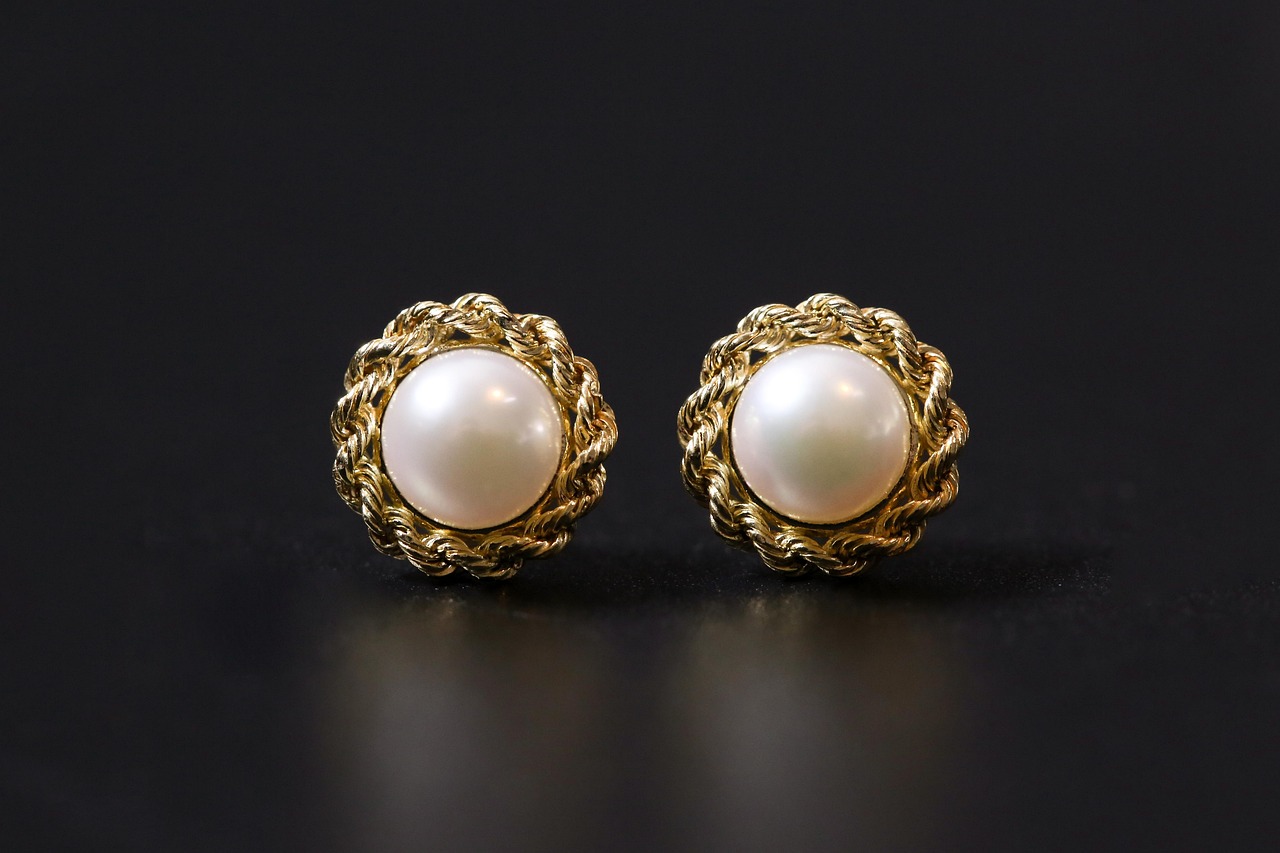
Sarah, a recent graduate, wanted diamond earrings that reflected her values without breaking her budget. She’d always loved the sparkle of diamonds but felt conflicted about traditional sourcing. Her solution? Exploring the rapidly evolving world of lab grown diamond earrings.
Last updated: July 4, 2026
These modern marvels offer the same dazzling brilliance as their mined counterparts, but with distinct advantages in ethics, cost, and environmental impact. As of July 2026, advancements in cultivation technology have made them an increasingly popular and accessible choice for discerning consumers.
Key Takeaways
- Lab grown diamond earrings are chemically, physically, and optically identical to natural diamonds, offering a real diamond experience.
- Two primary methods, HPHT and CVD, are used to create these diamonds, each with subtle implications for the final product.
- They typically offer significant cost savings compared to mined diamonds, often 30-50% less for comparable quality as of 2026.
- Choosing lab grown diamonds supports more transparent sourcing and reduced environmental footprint, aligning with modern ethical consumption.
- The 4 Cs (Cut, Color, Clarity, Carat) apply equally to lab grown diamonds, with reputable gemological labs providing certification.
The Appeal of Lab Grown Diamond Earrings in 2026
Lab grown diamond earrings are real diamonds, created under controlled conditions that replicate the natural geological process. This means they possess the identical chemical composition, crystal structure, and optical properties as diamonds extracted from the earth.
In real terms, this translates to the same fire, sparkle, and durability that diamonds are renowned for. The primary distinction lies in their origin: one is grown in a lab, the other is mined. This distinction has become increasingly important to consumers in 2026, driving a significant shift in the jewelry market.
Worth noting, the market for lab grown diamonds has seen substantial growth, with consumer adoption rising steadily. According to industry analysis, the price gap between lab grown and natural diamonds has widened, making the former a highly attractive option for accessible luxury.
How They’re Made: CVD vs. HPHT Diamond Growth
Lab grown diamonds are primarily produced using two sophisticated methods: High-Pressure/High-Temperature (HPHT) and Chemical Vapor Deposition (CVD). Understanding these processes can offer insight into the characteristics of your lab grown diamond earrings.
The HPHT method mimics natural diamond formation deep within the Earth. A tiny diamond seed is placed in a growth cell with carbon, then subjected to immense pressure (around 5.5 GPa) and high temperatures (1300-1600°C). This process typically produces diamonds with a more cubic or cubo-octahedral shape, often with nitrogen impurities that can give them a yellowish tint unless treated.
CVD involves placing a thin slice of diamond seed in a vacuum chamber. Carbon-rich gases (like methane) are introduced and broken down by microwaves into a plasma cloud. The carbon atoms then crystallize layer by layer onto the seed, forming a diamond. This method often results in purer diamonds with a more uniform growth structure, though they may require post-growth HPHT treatment to improve color or clarity.
The wrinkle here is that while both produce identical diamonds, some subtle growth patterns or residual strain might be detectable by gemological equipment, but are invisible to the naked eye. Both methods are continually refined, leading to ever-improving quality and larger carat sizes.
Why Choose Lab Grown: Ethics, Value, and Quality
The decision to opt for lab grown diamond earrings often stems from a combination of ethical, financial, and quality considerations. Ethical sourcing is a major driver, as lab diamonds offer a transparent origin without the human and environmental impact sometimes associated with traditional mining.
From a value perspective, lab grown diamonds typically present a more affordable price point. As of July 2026, consumers can expect to pay anywhere from 30% to 50% less for a lab grown diamond compared to a mined diamond of equivalent quality and size. Lab grown diamond earrings allows for larger carat weights or higher quality specifications within a given budget.
Regarding quality, there’s no compromise. Lab grown diamonds are optically, chemically, and physically identical to natural diamonds. They receive the same grading from reputable gemological laboratories like the GIA (Gemological Institute of America) and IGI (International Gemological Institute), ensuring their quality is assessed by the same rigorous standards.
Decoding the 4 Cs for Lab Grown Diamond Earrings
Just like their mined counterparts, lab grown diamond earrings are evaluated using the universally recognized 4 Cs: Cut, Color, Clarity, and Carat weight. These factors collectively determine a diamond’s beauty and value.
Cut: This is arguably the most crucial C, as it dictates how well a diamond interacts with light. A well-cut diamond maximizes brilliance, fire, and sparkle. For earrings, especially studs, an excellent or very good cut grade ensures maximum visual impact.
Color: Diamond color refers to the absence of color, ranging from D (colorless) to Z (light yellow or brown). For earrings, which are often viewed at a slight distance, a G-H color grade typically appears colorless and offers great value. Whiter diamonds (D-F) are available at a premium.
Clarity: This measures the absence of inclusions (internal flaws) and blemishes (external imperfections). Grades range from Flawless (FL) to Included (I). For earrings, a VS1 or VS2 (Very Slightly Included) grade is often eye-clean and an excellent balance of quality and price. SI1 (Slightly Included) can also be eye-clean depending on the inclusion type and location.
Carat: Carat refers to the diamond’s weight. For earrings, total carat weight (TCW) is common, meaning the combined weight of both diamonds. Consider how the size will look on the earlobe; a 0.50 carat total weight pair (0.25 ct each) is a popular choice for everyday wear, while 1.00 TCW (0.50 ct each) offers more significant presence.
Popular Styles and Settings for Your Lab Grown Studs
The beauty of lab grown diamond earrings extends to the vast array of styles and settings available, catering to every taste and occasion. Stud earrings remain the most iconic and versatile choice, perfect for daily wear or complementing more elaborate looks.
Classic Studs: These feature a single lab grown diamond secured in a metal setting. Popular settings include the four-prong for maximum light exposure and a delicate appearance, or the six-prong for enhanced security and a slightly more traditional look. Bezel settings offer a modern, sleek aesthetic and excellent protection for the diamond’s girdle.
Halo Earrings: A central lab grown diamond is encircled by smaller accent diamonds, creating a larger overall appearance and intensifying sparkle. This style is particularly popular for adding a touch of glamour without a significant increase in the main diamond’s carat weight.
Drop and Dangle Earrings: These styles feature lab grown diamonds suspended from the earlobe, allowing for movement and increased light play. Designs range from simple diamond solitaires on a delicate chain to more intricate arrangements featuring multiple diamonds or colored gemstones.

Metal choices, such as 14k or 18k white gold, yellow gold, rose gold, or platinum, also play a significant role in the overall aesthetic. White metals tend to enhance the colorless appearance of the diamond, while yellow gold offers a classic contrast.
Making Your Choice: A Buyer’s Guide to Lab Grown Earrings
Selecting the perfect pair of lab grown diamond earrings involves a few key considerations to ensure you find a pair that aligns with your preferences and budget.
- Define Your Budget: Lab grown diamonds offer flexibility. Knowing your spending limit upfront helps narrow down options for carat weight, cut, and metal type. For example, a budget of $1,000 might get you a stunning 1.00 TCW pair in 14k white gold with VS2 clarity and G color, whereas a similar natural pair could be double the price as of 2026.
- Prioritize the 4 Cs: Decide which of the 4 Cs is most important to you. For earrings, cut often takes precedence for maximum sparkle. If you prefer larger size, you might compromise slightly on color or clarity, opting for eye-clean SI1 or H color.
- Choose Your Setting and Metal: Consider your lifestyle and personal style. Prong settings showcase the diamond beautifully but may snag on clothing, while bezel settings are more secure and modern. Platinum is durable and hypoallergenic but costs more than gold.
- Verify Certification: Always insist on a grading report from an independent, reputable laboratory like IGI or GIA. This report provides an unbiased assessment of the diamonds’ quality characteristics.
- Consider the Retailer’s Reputation: Purchase from jewelers with strong return policies, warranties, and excellent customer service. Reputable brands often provide detailed imagery and 360-degree videos of their diamonds.
Caring for Your Lab Grown Diamond Earrings
While lab grown diamonds are incredibly durable, proper care is essential to maintain their brilliance and longevity. Regular cleaning and mindful handling will keep your lab grown diamond earrings sparkling for years to come.
Daily Wear Considerations: Avoid wearing your diamond earrings during strenuous activities, swimming, or when applying harsh chemicals like hairspray or cleaning products. These can dull the diamond’s surface or damage the metal setting. Remove them before showering or sleeping to prevent accidental damage or loss.
Regular Cleaning: Clean your earrings at home using a soft toothbrush, warm water, and a mild dish soap. Gently scrub the diamonds and settings to remove oils and dirt that accumulate over time. Rinse thoroughly under running water and dry with a lint-free cloth. For a deeper clean, consider an ultrasonic cleaner or professional jewelry cleaning every 6-12 months.
Proper Storage: Store your lab grown diamond earrings separately from other jewelry in a fabric-lined box or soft pouch. This prevents scratches from harder gemstones or tangling with other pieces. Protecting them from knocks and abrasions helps preserve their pristine condition.
Common Myths and Realities of Lab Grown Diamonds
Despite their growing popularity, several misconceptions about lab grown diamonds persist. Separating fact from fiction is crucial for an informed purchase.
Myth 1: Lab grown diamonds are ‘fake’ or ‘simulated’.
Reality: This is false. Lab grown diamonds are real diamonds. Diamond simulants (like cubic zirconia or moissanite) are visually similar but have different chemical compositions and physical properties. Lab grown diamonds are chemically, physically, and optically identical to natural diamonds. According to the GIA, a lab grown diamond is a diamond in every sense, differing only in its origin.
Myth 2: Lab grown diamonds don’t hold their value.
Reality: While the resale market for both natural and lab grown diamonds can fluctuate, the initial cost of lab grown is significantly lower. In terms of percentage of initial purchase price, resale value for both types of diamonds is generally lower than what many expect. The value proposition of lab grown diamond earrings lies in their accessible initial price and ethical attributes, allowing buyers to acquire a larger, higher-quality stone for their budget.
Myth 3: Lab grown diamonds are easy to tell apart from natural diamonds.
Reality: Distinguishing lab grown from natural diamonds requires specialized gemological equipment. Even trained jewelers can’t tell the difference with the naked eye. Reputable labs use advanced technology to identify growth patterns unique to either origin, marking lab grown diamonds with a microscopic laser inscription on the girdle for transparency.
Pros and Cons of Lab Grown Diamond Earrings
Understanding the trade-offs is key to making an informed decision about lab grown diamond earrings.
Pros
- Ethical Sourcing: Guaranteed conflict-free origin with minimal environmental impact compared to mining.
- Cost-Effective: Significantly more affordable than natural diamonds, allowing for larger stones or higher quality within budget.
- Identical Properties: Chemically, physically, and optically identical to mined diamonds, offering the same brilliance and durability.
- Transparency: Clear traceability of origin and manufacturing process.
- Availability: Consistent supply of high-quality diamonds, often in preferred sizes and shapes.
Cons
- Perceived Value: Some consumers still prefer the traditional romance and rarity associated with natural diamonds.
- Resale Market: While evolving, the secondary market for lab grown diamonds is still maturing and may not offer strong returns on investment.
- No Geological Rarity: Lacks the millions-of-years-old geological history and unique story of natural diamonds.
- Limited Investment Potential: Not considered an investment asset in the same way some rare natural diamonds might be.
- Industry Acceptance: While growing, some traditional jewelers may still favor natural diamonds.
Common Mistakes When Buying Lab Grown Diamond Earrings
Even with their advantages, buyers can make missteps. Avoiding these common mistakes ensures a satisfying purchase.
One common mistake is prioritizing carat weight over cut quality. A larger diamond with a poor cut will appear dull and lifeless, regardless of its size. For earrings, where sparkle is paramount, always lean towards an excellent or very good cut grade first, even if it means a slightly smaller carat weight.
Another error is neglecting certification. Buying an uncertified lab grown diamond is risky, as you lack an objective assessment of its 4 Cs. Always ensure your lab grown diamond earrings come with a grading report from a respected independent laboratory like IGI or GIA. Without it, you’re relying solely on the seller’s word.
Finally, some buyers overlook the setting’s quality and security. A beautiful diamond needs a strong setting. Inspect the prongs or bezel for evenness and secure attachment. A poorly crafted setting can compromise the diamond’s security and overall appearance, leading to potential loss or damage.
Expert Tips for Maximizing Your Purchase
Beyond the basics, a few expert insights can elevate your lab grown diamond earring purchase.
Consider matching your diamond’s color grade to your chosen metal. For instance, if you opt for a K-color diamond (faint yellow), setting it in yellow gold can help mask the subtle tint, making it appear whiter. Conversely, for D-F colorless diamonds, white gold or platinum will best highlight their purity.
Pay attention to the diamond’s proportions, especially for round brilliant cuts. A well-proportioned diamond will have superior light performance. While grading reports detail these, online retailers often provide visual tools or 360-degree views to help assess the sparkle. For earring pairs, ensure the cut quality is as close as possible between the two stones for a harmonious look.
Finally, explore unique shapes. While round brilliant studs are classic, fancy shapes like princess, emerald, or oval cuts can offer a distinctive look at a potentially lower price per carat than a round diamond of similar specifications. Lab grown diamond earrings allows for personalization and a unique expression of style. For a deeper dive into diamond shapes, see.
Frequently Asked Questions
Are lab grown diamond earrings real diamonds?
Yes, lab grown diamond earrings are real diamonds. They are identical to natural diamonds in their chemical composition (pure carbon), crystal structure, optical properties, and physical characteristics. The only difference is their origin: one is formed in a laboratory, the other in the Earth.
How much cheaper are lab grown diamond earrings than natural ones?
As of July 2026, lab grown diamond earrings are typically 30% to 50% less expensive than natural diamonds of comparable size and quality. This significant price difference allows consumers to acquire larger or higher-quality stones for their budget.
Do lab grown diamond earrings sparkle less than natural diamonds?
No, lab grown diamond earrings sparkle identically to natural diamonds. Since they share the same optical properties, their ability to reflect and refract light (their brilliance, fire, and scintillation) is the same, assuming an equivalent cut quality.
How can I tell if a diamond is lab grown or natural?
Distinguishing between lab grown and natural diamonds requires specialized gemological equipment used by certified laboratories like IGI or GIA. These labs identify unique growth patterns and often laser-inscribe lab grown diamonds with their origin for transparency.
Are lab grown diamond earrings a sustainable choice?
Yes, lab grown diamond earrings are generally considered a more sustainable and ethical choice. Their production involves a significantly smaller environmental footprint and guarantees a conflict-free origin, aligning with consumer demand for responsible sourcing.
What should I look for in a lab grown diamond earring certification?
Look for certifications from reputable, independent gemological laboratories such as IGI (International Gemological Institute) or GIA (Gemological Institute of America). These reports detail the diamond’s 4 Cs (Cut, Color, Clarity, Carat) and explicitly state its lab grown origin.
Can lab grown diamonds chip or break easily?
No, lab grown diamonds are just as hard and durable as natural diamonds. With a Mohs hardness rating of 10, they are the hardest known natural material and are resistant to scratching and chipping under normal wear. Proper care and secure settings are still important.
Lab grown diamond earrings represent a convergence of scientific innovation, ethical responsibility, and accessible luxury. For anyone seeking the timeless beauty of diamonds without the traditional complexities, they offer a compelling and intelligent choice in 2026. By understanding their creation, characteristics, and care, you can confidently select a pair that truly sparkles with both brilliance and purpose.
Information current as of July 2026; pricing and product details may change.
Related read: Best Insoles for Work Boots 2026: End Foot Pain & Boost Productivity
Editorial Note: This article was researched and written by the Forge News editorial team. We fact-check our content and update it regularly. For questions or corrections, contact us.
Related read: Elephant Ears in 2026: Cultivating Majestic Tropical Foliage
Related read: How Fast Do Helicopters Go in 2026? Unpacking Rotorcraft Speed Limits.