
 By Yasir Hafeez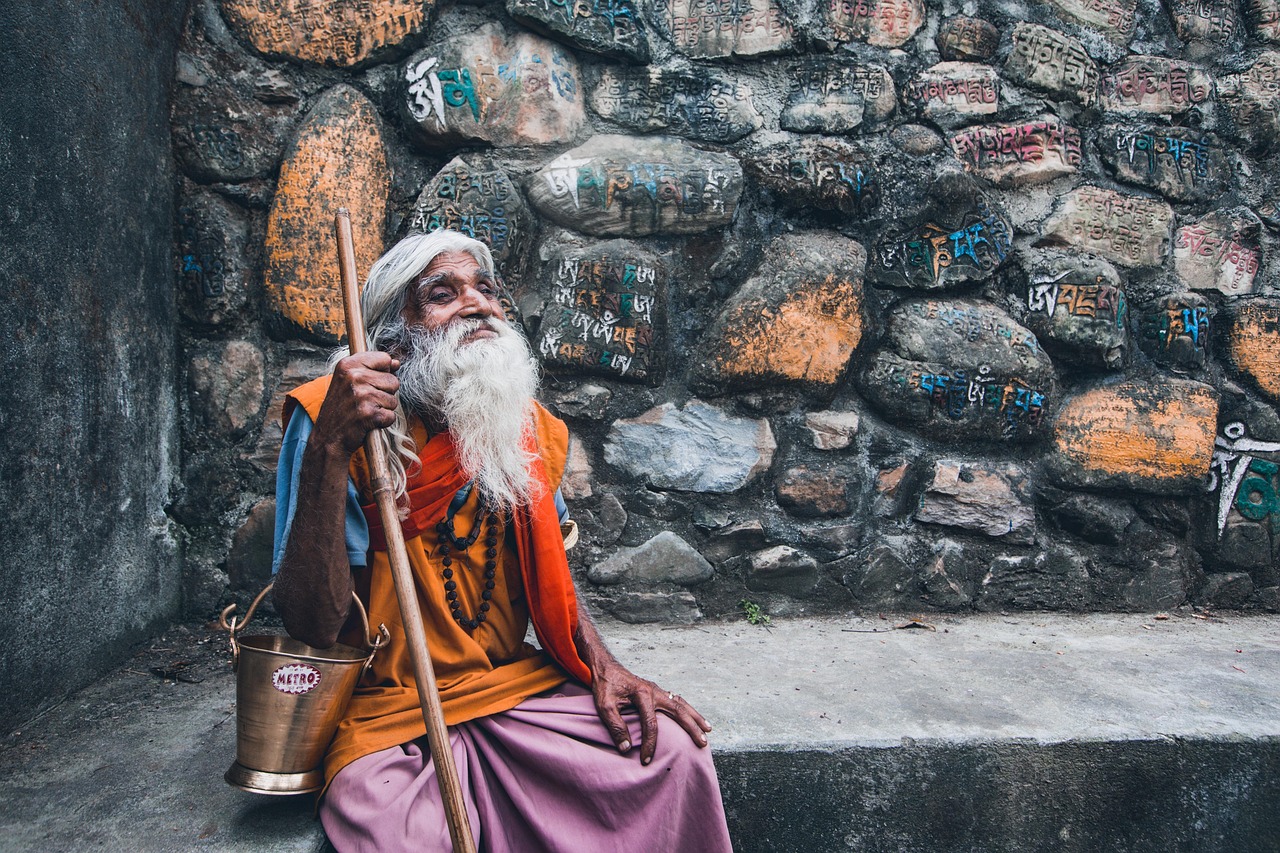
han a Region: Defining Nepal as a Sovereign Country
To understand why Nepal is a country, one must look beyond its geographical location. Nepal’s sovereignty is rooted in a long history of independence, distinct cultural evolution, and a self-governing political system. Unlike many nations in the region, Nepal was never formally colonized by any foreign power, a fact that deeply shapes its national pride.
Last updated: July 9, 2026
The concept of an independent Nepal is enshrined in its constitution, which establishes it as a federal democratic republic. This framework ensures self-determination and governs its domestic and international affairs, from foreign policy to economic development. Its distinct national flag, featuring a unique non-quadrilateral shape, further symbolizes this singular identity on the world stage.
Worth noting, this steadfast independence is particularly significant given its position between two of the world’s most populous nations, India and China. Nepal has successfully maintained its unique cultural and political space, fostering its own distinct Nepali identity.
Geography and Strategic Location: The Landlocked Identity
Nepal’s geography is perhaps its most defining physical characteristic. It’s a landlocked country, meaning it has no direct access to the sea, relying on its neighbors for trade routes. This status has historically presented both challenges and opportunities for its economic and strategic development.
Spanning approximately 147,516 square kilometers (56,956 square miles) as of 2026, Nepal is predominantly mountainous. The Himalayas dominate its northern terrain, housing eight of the world’s ten highest peaks, including Mount Everest. To the south, it encompasses parts of the fertile Into-Gangetic Plain, known as the Terai region. This diverse landscape contributes to an incredible array of ecosystems and climates within its borders.
Its strategic location, bordered by the Tibet Autonomous Region of China to the north and India to the south, east, and west, makes Nepal a crucial buffer state. This position requires careful diplomatic navigation, influencing its trade, infrastructure, and cultural exchanges. The country’s rivers, originating in the Himalayas, are vital for hydropower potential and irrigation, shaping local livelihoods significantly.
A Cultural Tapestry: Languages, Religions, and Heritage
Nepal is a vibrant mosaic of cultures, making it a truly multi-ethnic, multi-lingual, multi-religious, and multi-cultural sovereign state. This diversity is a cornerstone of the Nepali identity.
Nepali is the official language, spoken by the majority, but over 120 other languages are recognized and spoken across its various ethnic groups. Hinduism is the predominant religion, with a significant Buddhist population and smaller communities of Islam, Kiratism, and Christianity. This religious harmony is often visible in shared festivals and pilgrimage sites.
In real terms, this means a walk through Kathmandu can expose you to a bewildering array of traditions, from Hindu temples dedicated to Shiva and Vishnu to ancient Buddhist stupas like Boudhanath and Swayambhunath. Lumbini, in southern Nepal, holds profound significance as the birthplace of Gautama Buddha, attracting pilgrims from around the globe. This spiritual heritage is a powerful unifying force within the country.
Governance and Political Landscape: Federal Democratic Republic
As a Federal Democratic Republic, Nepal operates under a parliamentary system. Kathmandu serves as both the nation’s capital and its largest city, functioning as the political, cultural, and economic hub.
The country transitioned to a federal structure in 2015, establishing seven provinces with their own legislative and executive bodies. This decentralization aims to bring governance closer to the people and address the diverse needs of its varied regions. The President is the head of state, while the Prime Minister leads the government.
This political evolution, culminating in its current republican status, reflects Nepal’s journey towards greater democracy and inclusion. The transition, while sometimes challenging, highlights the country’s commitment to self-governance and its distinct political path, separate from its powerful neighbors.
Economic Outlook and Development in 2026
Nepal’s economy, while growing, faces unique challenges inherent to its landlocked and mountainous terrain. As of 2026, the estimated Gross Domestic Product (GDP) is around $30.64 billion, with a GDP per capita of approximately $1,071.05, according to World Atlas data. This indicates a developing economy with significant potential.
Tourism is a cornerstone of the Nepali economy, with adventurers and cultural enthusiasts drawn to its Himalayan peaks, trekking routes, and spiritual sites. Remittances from Nepali citizens working abroad also form a substantial portion of the national income. Agriculture remains a major employer, especially in the fertile Terai region.
The wrinkle here: development efforts in 2026 are focused on infrastructure, hydropower, and improving connectivity to mitigate the challenges of being landlocked. Investment in education and technology is also seen as crucial for diversifying the economy and creating sustainable growth. For more on regional economic trends, see.
Unique Aspects That Set Nepal Apart
Beyond its iconic mountains and rich history, Nepal possesses several unique characteristics that solidify its distinct national identity.
One fascinating aspect is its time zone, which is UTC+05:45, a rare 45-minute offset that sets it apart from its larger neighbors. And, Nepal follows its own official calendar, the Bikram Sambat (B.S.), which is approximately 56 years and 8 months ahead of the Gregorian calendar. For instance, July 2026 in the Gregorian calendar corresponds to roughly Shrawan 2083 B.S.
This distinct calendar is not merely a historical relic; it’s actively used for official documents, religious festivals, and daily life, underpinning a unique cultural rhythm. The fact that the highest point on Earth, Mount Everest, falls within its borders also gives Nepal a unique global prominence, drawing explorers and scientists alike. These small but significant differences collectively reinforce Nepal’s status as a truly independent and culturally rich country.
Navigating Nepal: Visitor Insights and Practicalities
For anyone planning to visit or engage with Nepal, understanding its unique context is key. The first thing worth saying about this is that while geographically close to India and China, Nepal maintains a distinct identity that should be respected.
Culturally, Nepalis are known for their hospitality and warmth. Learning a few basic Nepali phrases, such as ‘Namaste’ (hello/greeting), goes a long way. Dress modestly, especially when visiting religious sites, and always remove shoes before entering temples or homes. Understanding the Bikram Sambat calendar can be helpful for planning around local festivals or understanding official dates.
Regarding travel, the mountainous terrain means internal travel can be slow. Domestic flights are common for reaching remote regions, while buses and jeeps connect major cities. Always prioritize safety, especially when trekking, and consider hiring local guides who are familiar with the terrain and customs. Offers a deeper dive into sustainable tourism practices in the Himalayas.
Spotlight on Nepal’s Global Contributions
Nepal’s influence extends far beyond its borders. The country is a significant contributor to United Nations peacekeeping missions, sending its disciplined and dedicated forces to conflict zones worldwide. This demonstrates its commitment to global peace and security, embodying a responsible role on the international stage.
Culturally, Nepal’s unique artistic traditions, including intricate thangka paintings, vibrant traditional music, and distinctive architectural styles, have garnered international recognition. Its rich spiritual heritage, particularly as the birthplace of Buddha, makes it a global center for Buddhist pilgrimage and scholarship.
Plus, Nepal is at the forefront of conservation efforts, particularly regarding its delicate Himalayan ecosystems. Initiatives to protect endangered species like the snow leopard and red panda, alongside managing the impact of climate change on its glaciers, are critical global endeavors. The country’s commitment to preserving its natural heritage is a testament to its forward-thinking environmental stewardship.
Common Misconceptions About Nepal
Despite its clear status as an independent nation, several misconceptions persist about Nepal. The most common is the erroneous belief that it’s part of either India or China. This is incorrect; Nepal has always been a sovereign state with its own distinct history, culture, and government, a fact deeply ingrained in its national consciousness.
Another misconception is that Nepal is solely comprised of mountains. While the Himalayas are prominent, the country also features the fertile plains of the Terai and the mid-hills, which are densely populated and agriculturally rich. This geographic diversity supports a wide range of lifestyles and economies.
Finally, some might assume that due to its developing economy, Nepal lacks modern amenities or infrastructure. While challenges exist, major cities like Kathmandu and Bokhara offer a blend of traditional charm and modern conveniences, including reliable internet, diverse dining options, and contemporary accommodations. The country is actively investing in improving its infrastructure as of 2026.
Experiencing Nepal: Expert Insights
Having closely observed Nepal’s development and unique cultural resilience, my insight is that truly experiencing Nepal means embracing its contrasts. It’s a country where ancient traditions coexist with burgeoning modernity, and profound spirituality intertwines with the practicalities of daily life.
Best for those seeking genuine cultural immersion and unparalleled natural beauty, Nepal offers experiences from high-altitude trekking to exploring UNESCO World Heritage sites in the Kathmandu Valley. It’s not ideal for those expecting smooth, Western-style luxury travel in all regions, as off-the-beaten-path adventures often involve simpler accommodations and infrastructure.
When engaging with Nepal, remember its resilience. The nation has faced significant natural disasters and political transitions, yet its spirit of community and determination remains strong. Engaging with local communities, supporting local businesses, and understanding the country’s unique calendar and customs will enrich your experience immeasurably. For detailed historical context, see Nepal – Wikipedia.
Frequently Asked Questions
Is Nepal recognized as an independent country internationally?
Yes, Nepal is widely recognized as a fully independent and sovereign nation by the international community, including the United Nations and numerous other global organizations. It maintains diplomatic relations with countries worldwide.
What is the official name of Nepal?
The official name of Nepal is the Federal Democratic Republic of Nepal. This title reflects its current political structure as a democratic republic with a federal system of governance.
Is Nepal part of the Indian subcontinent?
Yes, geographically, Nepal is situated within the Indian subcontinent. However, being part of the subcontinent is a geographical descriptor and doesn’t imply political subservience to India or any other nation.
What makes Nepal’s geography unique?
Nepal’s geography is unique for its extreme vertical diversity, ranging from the low-lying Terai plains to the world’s highest peaks in the Himalayas. This includes eight of the fourteen 8,000-meter mountains, such as Mount Everest.
Does Nepal have its own currency and language?
Absolutely. Nepal has its own currency, the Nepali Rupee (NPR), and its official language is Nepali. Many other indigenous languages are also spoken, reflecting the country’s rich linguistic diversity.
Why does Nepal use a different calendar?
Nepal uses the Bikram Sambat (B.S.) calendar, which is a lunisolar calendar rooted in ancient Hindu tradition. It’s approximately 56 years and 8 months ahead of the Gregorian calendar, used for all official and religious purposes.
In summary, Nepal is a country of profound independence, geographic splendor, and vibrant cultural diversity. Its journey as the Federal Democratic Republic of Nepal showcases a unique national identity forged amidst the highest mountains and a rich mix of traditions. Engaging with Nepal means recognizing and appreciating its distinct place in the world.
Information current as of July 2026; pricing and product details may change.
Editorial Note: This article was researched and written by the Forge News editorial team. We fact-check our content and update it regularly. For questions or corrections, contact us.
Related read: Gruyère Cheese in 2026: Unlocking its Flavor, Uses & Authenticity.
Related read: Doxology Meaning: A Guide to Praising God in 2026.