
 By Yasir Hafeez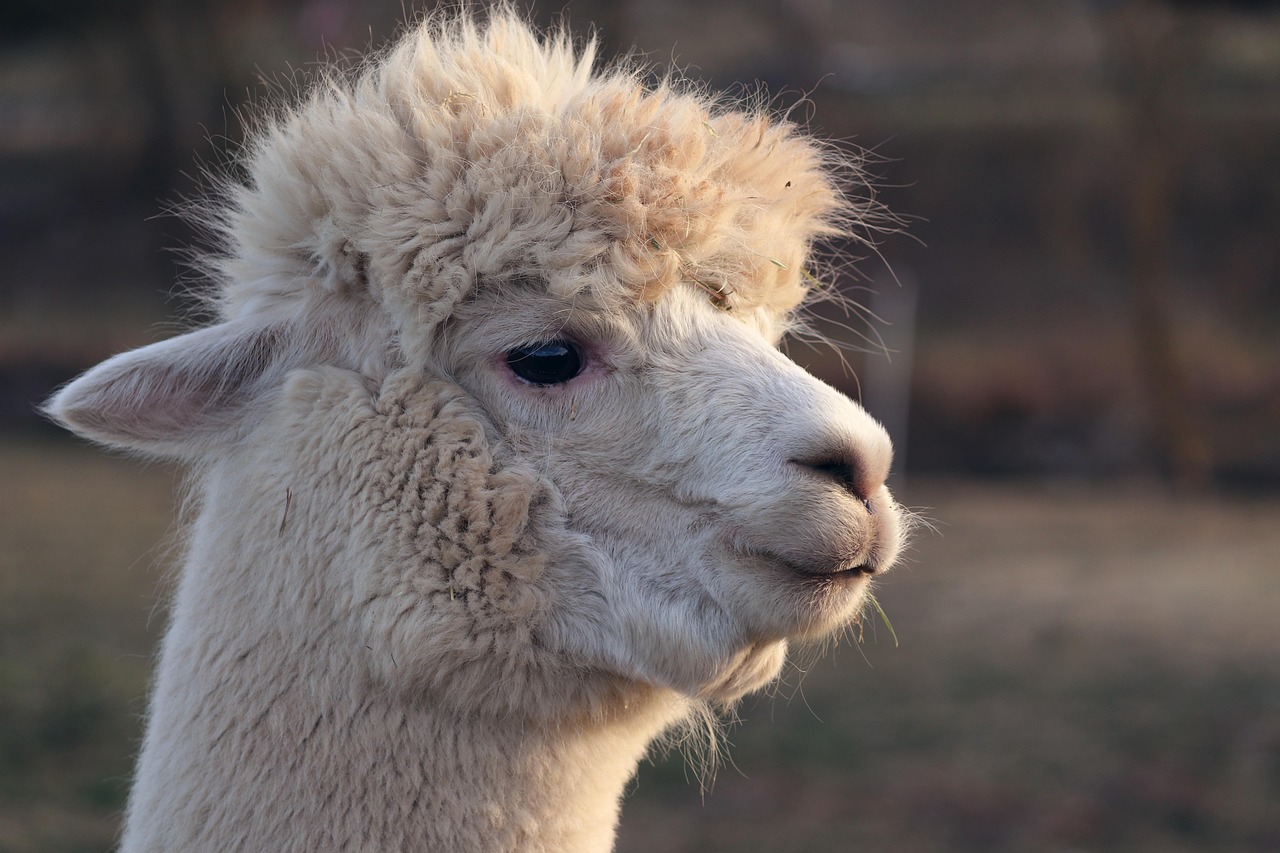
Most people see a fluffy, long-necked animal and instantly think “llama!” or “alpaca!”— but rarely know the real differences that impact everything from their fiber quality to their role on a farm. As of July 2026, distinguishing these South American camelids goes beyond a quick glance; it’s about understanding their unique traits and the practical implications for owners and enthusiasts alike.
Last updated: July 9, 2026
Key Takeaways
- Alpacas are smaller, bred primarily for their fine, soft fleece, and have short, spear-shaped ears.
- Llamas are larger, traditionally used as pack animals and increasingly as livestock guardians, identifiable by their long, banana-shaped ears.
- Alpaca fiber, especially from Huancayo and Suri breeds, is highly prized for its softness and hypoallergenic properties, fetching higher prices.
- Llama wool is coarser but durable, suitable for rugs, ropes, and saddle pads, or for blending with other fibers.
- Temperamentally, alpacas are often more timid and herd-oriented, while llamas are more independent and assertive, making them effective guardians.
- Consider your primary purpose—fiber production, packing, or guarding—before choosing between an alpaca or a llama for your property.
Physical Distinctions: A Head-to-Tail Comparison
The most immediate way to tell an alpaca vs llama apart lies in their physical appearance. Alpacas are notably smaller, typically standing around 3 feet at the shoulder and weighing between 100–175 pounds. Llamas, by contrast, are significantly larger, reaching up to 4 feet at the shoulder and weighing 250–450 pounds.
Their ears offer another clear identifier. Alpacas have short, straight, spear-shaped ears, often described as petite and pointed. Llamas possess much longer, more prominent banana-shaped ears that tend to curve inward.
The face structure also differs. Alpacas have a softer, more rounded face, giving them a perpetually youthful or curious expression. Llamas feature a longer, more angular face, often with a more serious or noble demeanor.
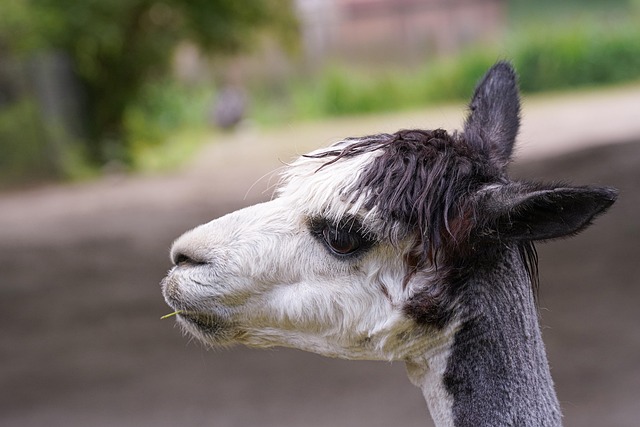
Finally, their coats are distinct. While both are fluffy, alpacas are renowned for their dense, uniform fleece covering most of their body, including their legs. Llamas have a coarser double coat with guard hairs, and their legs are often less densely covered with fiber.
Fiber Quality and Economic Value: Alpaca Fleece vs. Llama Wool
When it comes to fiber, alpacas are the undisputed champions. They are primarily bred for their luxurious fleece, which is exceptionally soft, warm, lightweight, and hypoallergenic. Alpaca fiber typically has a micron count ranging from 18 to 25, comparable to cashmere, making it ideal for high-end textiles like sweaters, scarves, and fine garments.
There are two main alpaca breeds: Huancayo, which has a crimpy, fluffy fleece resembling sheep’s wool, and Suri, known for its long, silky, dreadlock-like fibers. According to the Alpaca Owners Association Inc. (2026), these fibers are in high demand globally, driving the economic value of alpaca farming.
Llama wool, on the other hand, is generally much coarser, with a micron count often above 30. It’s a double-coated fiber, meaning it has a soft undercoat and longer, tougher guard hairs. While not suitable for fine garments, llama wool is incredibly durable and is traditionally used for rugs, ropes, and saddle blankets. Some breeders are working to refine llama fiber, but its primary economic value isn’t typically in its fleece quality compared to alpacas.
Temperament and Social Behavior: What to Expect from Each
Understanding the temperament of alpacas vs llamas is crucial for anyone considering owning them. Alpacas are generally more timid, gentle, and herd-oriented. They thrive in groups and can become stressed if isolated. They communicate through soft humming, clucking, and sometimes spitting, usually at each other to establish dominance or ward off unwanted advances.
Llamas tend to be more independent, confident, and intelligent. While they are also herd animals, their social structure allows for more individual space. They are known for their strong protective instincts, which is why they are often employed as guard animals for sheep, goats, or even alpaca herds. A llama will typically confront perceived threats head-on, using vocalizations, charging, and spitting.
In our experience working with both species over several years, alpacas are generally easier to handle for shearing and routine care due to their smaller size and calmer disposition, though individual personalities always vary. Llamas, with their greater strength and independence, require a firmer, more consistent hand in training.
Primary Roles and Uses: From Packing to Pasture Guards
Historically, llamas were domesticated primarily as pack animals in the Andes Mountains, capable of carrying significant loads over rugged terrain. This role continues today, especially in trekking and wilderness excursions. Their strength, endurance, and calm demeanor make them excellent companions for hikers.
Beyond packing, llamas have become highly valued as livestock guardian animals. A single llama can effectively protect a herd of sheep, goats, or alpacas from predators like coyotes or stray dogs. Their natural instinct to perceive canids as threats, combined with their size and assertive nature, makes them a formidable deterrent.
Alpacas, conversely, are almost exclusively bred for their fiber. While they can be trained for halter showing or therapy work, their physical build and docile nature don’t lend themselves to packing or guarding roles. Their value is directly tied to the quality and quantity of their fleece.
Care and Management: What Owners Need to Know
Both alpacas and llamas require similar basic care, including access to clean water, quality pasture or hay, and a mineral supplement formulated for camelids. They are social animals and should never be kept alone. A minimum of two animals is essential for their well-being, though three or more is ideal for alpacas to form a stable herd.
For alpacas, annual shearing is critical to prevent heat stress and maintain fleece quality. This typically occurs in spring or early summer. Llamas may or may not need shearing, depending on their coat type and climate; some owners opt for a “pet clip” to manage their warmer double coat.
Both species require regular hoof trimming, dental checks, and vaccinations appropriate for your region. The American Veterinary Medical Association (AVMA) provides guidelines for camelid health, emphasizing preventative care and parasite control. For detailed health protocols, consult your local veterinarian specializing in livestock.
The Cost Factor: Initial Investment and Ongoing Expenses
The initial purchase price for an alpaca or llama varies widely based on age, sex, breeding quality, lineage, and fiber quality. As of July 2026, a pet-quality alpaca might cost anywhere from $200-$1,000, while a high-end breeding alpaca with superior fiber genetics could easily fetch $5,000 or more. Llamas, particularly pet or guard-quality animals, often range from $400-$2,000.
Ongoing costs include feed (hay, pasture, specialized pellets), which can average $30-$60 per animal per month, depending on local prices and forage availability. Vet care, shearing (for alpacas, typically $30-$50 per animal), and routine hoof trimming add to the annual expenses. Fencing and shelter are also significant initial investments. Worth noting: while a llama’s initial cost might be higher than a pet alpaca, its utility as a guard animal can save thousands by preventing livestock losses, making it a valuable long-term investment for farmers.
Alpaca vs Llama: At a Glance
| Feature | Alpaca | Llama |
|---|---|---|
| Size (Adult) | Smaller (100–175 lbs, 3 ft shoulder) | Larger (250–450 lbs, 4 ft shoulder) |
| Ears | Short, spear-shaped | Long, banana-shaped |
| Face Shape | Rounded, softer | Longer, more angular |
| Primary Use | Fiber production, therapy animals | Packing, livestock guarding |
| Fiber Quality | Fine, soft, hypoallergenic (18-25 micron) | Coarser, durable (30+ micron) |
| Temperament | Timid, gentle, herd-oriented | Independent, confident, assertive |
Pros & Cons of Alpacas
Pros
- Produces highly valuable, soft, hypoallergenic fiber.
- Gentle and quiet demeanor, often used for therapy.
- Smaller size makes them easier to handle for some tasks.
- Lower feed consumption than llamas due to smaller size.
Cons
- Require annual shearing, which can be an added cost.
- More susceptible to predation due to their timid nature.
- Less effective as guard animals compared to llamas.
- Can be more prone to stress if not kept in sufficient numbers.
Pros & Cons of Llamas
Pros
- Excellent livestock guardians, protecting other farm animals.
- Strong and enduring, capable of carrying heavy packs.
- More independent and adaptable to various terrains.
- Can be less labor-intensive regarding fiber processing.
Cons
- Coarser fiber has less market value for fine textiles.
- Larger size requires more space and feed.
- Can be more challenging to handle due to their strength.
- Their assertive nature may not suit all owners or settings.
Common Misconceptions About These Camelids
One prevalent misconception is that alpacas and llamas are interchangeable. While related, their distinct characteristics make them suitable for very different purposes. Another common myth is that all camelids spit constantly. While both can spit, it’s typically a behavioral response to stress, fear, or establishing dominance, not a constant habit.
Many also believe that llamas make better pets than alpacas because of their intelligence. While llamas can form strong bonds, their independence means they often prefer less direct interaction than some might expect from a “pet.” Alpacas, though timid, can be quite affectionate once they trust you. The key is understanding their natural behaviors rather than imposing human expectations.
Choosing Your Camelid: When to Opt for an Alpaca or a Llama
The decision between an alpaca vs llama largely hinges on your specific goals and resources. If your primary interest is in producing fine, luxurious fiber for crafting or sale, alpacas are the clear choice. Their exquisite fleece, especially the Suri and Huancayo varieties, is unmatched. They are also excellent for hobby farms where a gentle, visually appealing herd is desired.
If you need a strong animal for packing gear on trails, or more importantly, a vigilant protector for your sheep, goats, or even alpacas, then a llama is the superior option. Their size, strength, and innate guardian instincts are invaluable for predator control. For broader sustainable farming practices, understanding the complementary roles of different livestock can be very beneficial. This article doesn’t explore the nuances of specific breeding programs for fiber quality or advanced livestock health management; for those topics, see and respectively.
Frequently Asked Questions
Can alpacas and llamas interbreed?
Yes, alpacas and llamas can successfully interbreed, producing offspring known as “huarizos.” Huarizos typically combine traits from both parents, often resulting in an animal with a llama’s size and an alpaca’s finer, though not as uniform, fleece. They are fertile and can continue to breed.
Which animal is easier to care for?
Neither is inherently “easier”; their care differs based on size and purpose. Alpacas require annual shearing and are generally more docile for handling. Llamas, being larger and more independent, might be less cooperative for routine procedures but often require less intensive fiber management.
Do alpacas or llamas make better pets?
Both can make good companions, but their appeal differs. Alpacas are often favored for their gentle nature and soft fleece, making them popular for hobby farms. Llamas can be affectionate but are more independent and benefit from having a job, like guarding or packing, which aligns with their natural instincts.
What do alpacas and llamas eat?
Both are herbivores and primarily graze on pasture. Their diet consists mainly of hay and grasses. They also require access to fresh water and a mineral supplement specifically formulated for camelids to ensure they receive essential nutrients like selenium and copper.
How long do alpacas and llamas live?
Both alpacas and llamas have relatively long lifespans. With proper care, alpacas typically live for 15 to 20 years. Llamas generally have a slightly longer lifespan, often living for 20 to 25 years, though individual health and environmental factors play a significant role.
Are alpacas and llamas found in the wild?
While their wild ancestors, the vicuña and guanaco, still roam parts of South America, alpacas and llamas themselves are domesticated animals. Alpacas were bred from vicuñas, and llamas from guanacos, over thousands of years for specific human uses like fiber and packing.
Understanding the distinctions between alpacas and llamas empowers you to make informed decisions, whether you’re looking to start a fiber farm, protect your livestock, or simply appreciate these unique South American camelids. Their differences are not merely superficial; they define their economic utility, care requirements, and roles within agricultural and enthusiast communities in 2026.
Information current as of July 2026; pricing and product details may change.
Source: Britannica
Editorial Note: This article was researched and written by the Forge News editorial team. We fact-check our content and update it regularly. For questions or corrections, contact us. Knowing how to address alpaca vs llama early makes the rest of your plan easier to keep on track.
Related read: Best Contact Lenses for Dry Eyes: Your 2026 Guide to Comfort.